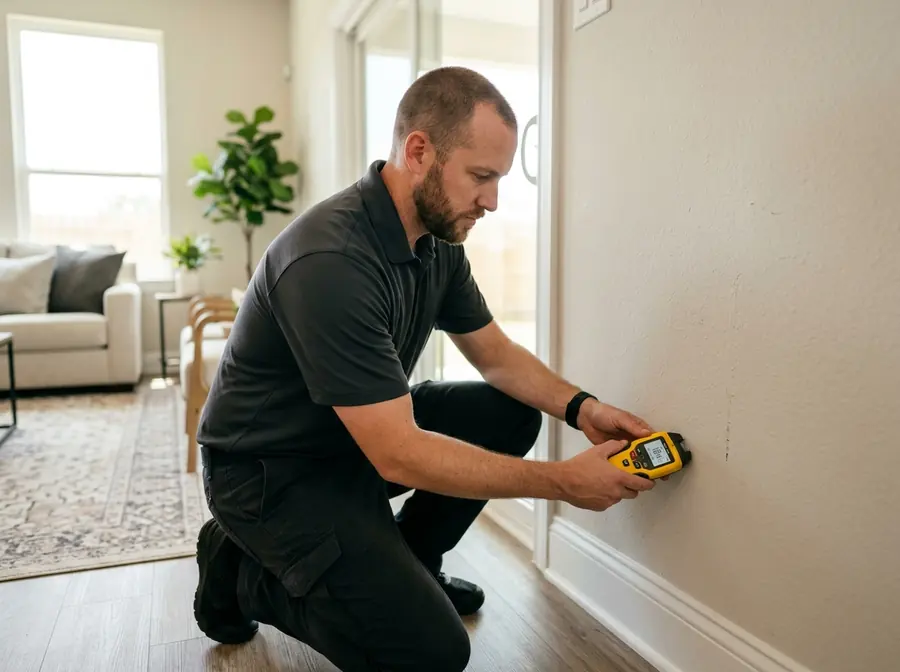
First, protect people and prevent additional damage
Do not let paperwork delay an urgent safety response. If there is an active fire, smoke danger, gas leak, structural instability, or immediate threat to life, contact emergency services. If water is near electrical systems, do not enter or touch switches, appliances, or wiring. If a plumbing line is leaking and the shutoff can be reached safely, stop the flow and arrange for a qualified plumber to repair the source. Keep people away from sewage, unknown floodwater, and other potentially contaminated materials.
Once the area is safe, take reasonable steps to prevent further damage without putting yourself at risk. The Texas Department of Insurance advises policyholders to report losses promptly, document damage, and make temporary repairs where appropriate to protect the property. Examples may include covering a broken window or arranging temporary roof protection when it can be done safely. Do not attempt dangerous roof work or enter a damaged structure. Keep receipts for emergency materials and services, and ask your insurer what temporary measures it expects.
For water losses, quick action can reduce the chance that moisture spreads into additional materials. For fire losses, wait for the fire department or responsible authority to release the property before re-entry. Restoration decisions should be made with the building's safety and the actual loss conditions in mind, not simply to satisfy a claim checklist.
Does homeowners insurance cover water damage in Texas?
It depends on the cause of the water and the exact policy. The Texas Department of Insurance explains that many homeowners and renters policies cover certain sudden and accidental water damage, such as a burst pipe, toilet overflow, or broken washing-machine hose. The same guidance notes that policies usually do not cover damage from gradual leaks or seepage. Standard homeowners policies generally do not cover flood damage; flood protection is typically provided through a separate flood insurance policy. Endorsements, exclusions, limits, maintenance conditions, and policy wording can change the result.
This distinction matters in Haltom City because water in a building can come from very different sources. A supply line that suddenly breaks is not the same as a slow leak that has continued behind a vanity for months. Rain entering through a damaged roof may be treated differently from rising surface water. A sewage backup may involve a separate endorsement or limitation. A property near Big Fossil Creek, Little Fossil Creek, or White's Branch should not assume that proximity alone decides coverage. The insurer will consider the cause, policy, and evidence for the specific loss.
Do not rely on a general internet article, contractor comment, or another homeowner's claim outcome as a coverage decision. Read your policy and contact your insurer or agent. Ask which section applies, whether a deductible or special limit is involved, whether emergency mitigation is authorized, and what documentation is needed. Home Mold Water Fire Damage cannot approve, deny, or guarantee an insurance claim.
What about fire, smoke, and mold damage claims?
Fire losses can involve several kinds of damage at once: direct flame damage, smoke residue, soot, odor, firefighting water, damaged contents, and structural concerns. The policy may treat dwelling damage, personal property, additional living expenses, debris removal, and temporary protection under different provisions. Keep the fire department incident information and any reports you receive, and ask the insurer how it wants the loss documented. Do not re-enter or clean a fire-damaged area until it is safe and you have discussed appropriate next steps.
Mold coverage is more complicated. The Texas Department of Insurance explains that many home policies do not include mold cleanup and testing after a damaged item is removed, although an insurer may offer additional coverage for mold cleanup resulting from a covered loss. The policy may include a sublimit, conditions, or specific requirements. If mold is found after a water loss, ask the insurer whether the cause of moisture is considered covered, whether mold-related work is included, and what documentation is required.
Texas regulates mold assessment and mold remediation separately. TDLR describes assessment as inspecting or surveying a structure to provide information about mold presence or a remediation plan, while remediation involves removing, cleaning, sanitizing, or otherwise treating mold or mold-contaminated matter. The law and rules include restrictions designed to prevent conflicts of interest, including limits on a licensee conducting both assessment and remediation on the same project. Ask who is responsible for each regulated role and verify the relevant credentials. See the official TDLR mold program for current requirements.
A practical claim checklist for a Haltom City property
Use this list to keep important information together. Your insurer may request additional items depending on the policy and loss:
- Policy number and the insurer's claim-reporting telephone number or online claim portal.
- Date and approximate time the damage began, if known, and when you first discovered it.
- Property address, building type, occupancy, and the rooms or areas affected.
- A short description of the apparent source, such as burst pipe, appliance hose, roof opening, fire, smoke, or floodwater.
- Photographs or video of visible damage taken from a safe location before temporary work, where practical.
- A list of damaged personal property, including approximate age, purchase information, and condition where available.
- Receipts for emergency work, temporary protection, materials, lodging, or other expenses you are asking the insurer to consider.
- Names and contact details for contractors or specialists involved, plus estimates, work authorizations, and invoices.
- Copies of messages, claim reference details, inspection dates, and the names of insurer representatives you speak with.
- Any reports, photographs, moisture records, or other project documentation supplied by the restoration contractor.
Store copies in a secure digital location. If the property has no power or internet, keep a written record and photograph documents later when safe. Do not share claim numbers, policy documents, access codes, or personal information publicly in an online review or social media post.
How to document damage without making the situation worse
Take wide photographs that show the room and closer photographs that show specific damage, but only from a safe position. Record the date and room name if possible. For a water loss, note whether the source was still active, what was wet, and what steps were taken to stop the water. For a fire loss, photograph only after authorities have allowed access. For contents, make a room-by-room list and do not discard items before checking the insurer's instructions, unless keeping them creates a safety or sanitation hazard.
Do not move heavy or contaminated items solely to create a better photograph. Do not touch electrical equipment in a wet area, climb onto a damaged roof, or enter an unstable structure to gather evidence. If a damaged item must be removed for safety, document it first where safe and keep receipts or disposal records if available. Ask the insurer how it wants unsafe items handled.
Restoration work may need to begin before an adjuster visits, particularly where active water or exposure could cause additional damage. Tell the insurer promptly what emergency steps are being considered and ask whether it requires advance authorization. Keep the conversation factual: describe what happened, what is visible, what is unsafe, and what needs to be done to stabilize the property. Avoid guessing at the final repair cost or promising that every item can be restored.
What is emergency mitigation, and how is it different from reconstruction?
Emergency mitigation is the initial work intended to control the immediate damage and reduce further loss. Depending on the event, it may include water extraction, temporary protection, removal of unsalvageable wet materials, cleaning of affected surfaces, controlled drying, or other actions suited to the conditions. Reconstruction is the later repair or rebuilding of building components, such as replacing drywall, flooring, insulation, cabinets, or framing. The exact division can vary by project and insurer.
For example, after a supply line breaks in a home near Haltom Road or Denton Highway, a plumber may need to repair the pipe while a restoration contractor evaluates the water that entered the floor and wall assembly. The extraction and drying work addresses the moisture; the plumbing repair addresses the failed line; and reconstruction may follow if materials cannot be restored. Those are related but distinct scopes. Ask the contractor and insurer how each part is documented and billed.
Fire losses can follow a similar pattern. The first phase may involve securing the property, assessing soot and smoke, addressing firefighting water, and protecting contents. Repairs to structural components or building systems may be a separate phase. A written scope helps you understand which work is being proposed now and which work remains for later.
Working with an insurance adjuster and restoration contractor
Your insurer may assign an adjuster to inspect the property, review evidence, and evaluate the claim under the policy. The restoration contractor evaluates the physical conditions and proposes work within its scope. These roles are not interchangeable. A restoration technician is not automatically your insurance adjuster, public adjuster, attorney, or coverage adviser. If you need someone to interpret policy language or represent your interests in a coverage dispute, speak with the appropriate licensed professional.
When an adjuster visits, provide the available photographs, inventory, reports, and receipts. Explain what was damaged and what emergency steps have already taken place. If the contractor has moisture readings, drying logs, or a work description, ask whether those records can be shared with the insurer. If the adjuster's scope differs from the contractor's observations, request a clear explanation of the difference and ask what additional documentation is needed.
Before signing a work authorization, understand what it permits, who is responsible for payment, whether you may owe a deductible or uncovered amount, and how changes to the scope are approved. Do not sign a document you do not understand. Ask for a copy and take time to review non-emergency commitments.
Questions to ask your insurer before restoration begins
- What part of my policy may apply to this type of loss?
- Is the apparent source covered, excluded, or subject to a special endorsement?
- Does my policy include a water backup, mold, or flood endorsement?
- What deductible, sublimit, or coverage cap may apply?
- Do you need photographs or an inspection before damaged materials are removed?
- What emergency mitigation steps should I take now to prevent additional damage?
- Do I need approval before hiring a restoration contractor or arranging temporary protection?
- Which receipts, reports, estimates, and inventories should I keep?
- How should I handle unsafe or contaminated belongings that cannot reasonably be stored?
- Who should I contact if the estimate or coverage explanation is unclear?
Write down the answers, the date, and the name or reference number associated with the conversation. If you receive instructions by phone, ask whether the insurer can confirm important points in writing.
Local claim considerations for Haltom City and nearby communities
A property in Haltom City ZIP code 76117 may have different damage conditions from a commercial building in North Richland Hills, a home in Hurst, or a rental property in Bedford. Even within Haltom City, a home in Browning Heights, Diamond Oaks, Fossil Ridge, Haltom Acres, Meadow Oaks, or Oak Knoll may have different construction, drainage, and access conditions. Those place names help identify the general area; they do not determine insurance coverage or prove that a particular property is exposed to flooding.
Local roads such as Broadway Avenue, Denton Highway, Beach Street, Haltom Road, and Northeast Loop 820 can help describe where a property is located when arranging a visit. For a claim, however, the exact address, source of damage, photographs, policy terms, and inspection findings matter more than a neighborhood label. If your property is in North Richland Hills, Hurst, Bedford, Colleyville, Fort Worth, Arlington, Burleson, Roanoke, Haslet, or another listed community, confirm the address and service availability directly.
Our service areas guide lists the supplied communities and ZIP codes. A restoration company should not imply that a ZIP code guarantees service availability or that a property lies in a flood zone. Parcel-specific conditions should be checked through appropriate official flood and local information sources when relevant.
How Home Mold Water Fire Damage can help with the restoration side of a claim
Home Mold Water Fire Damage helps homeowners and businesses understand the physical restoration work that may be needed after water, fire, or smoke damage. Depending on the loss and agreed scope, that may include water extraction, structural drying, dehumidification, fire and smoke cleanup, or coordination of mold-related work within applicable Texas rules. Our trained technicians use professional restoration equipment, and we offer 24/7 emergency response. We have more than 13 years of experience serving Haltom City and surrounding communities.
We can discuss the observed damage and explain the restoration activities that may be appropriate. The project scope should identify what is included, what is not included, and what depends on further findings. Plumbing, electrical, roofing, engineering, and permitted construction work may require appropriately qualified specialists. For mold, assessment and remediation must follow the separate Texas regulatory requirements.
We do not decide whether a policy covers the loss, guarantee reimbursement, or promise that the insurer will accept a contractor's estimate. Keep your insurer involved and ask questions whenever coverage or authorization is unclear. For service details, visit our water damage restoration hub and fire and smoke restoration hub.
Frequently Asked Insurance Claim Questions
Should I call the insurance company or a restoration company first?
If there is an immediate safety threat, contact emergency services first. For an active leak, stop the source if safe and arrange urgent help to prevent further damage. Report the claim to your insurer promptly and ask what documentation or authorization it requires. The sequence can depend on the emergency and policy instructions; do not delay urgent safety measures while trying to reach a claims representative.
Will the restoration company bill my insurer directly?
Payment arrangements vary by company, insurer, policy, and project. Ask who will be billed, whether you are responsible for the deductible or uncovered work, and what happens if the insurer pays less than the invoice. Get the arrangement in writing before work begins.
Can I choose my own restoration contractor?
Ask your insurer about its process and any network or preferred-provider arrangements. Review your policy and local requirements. Before hiring a contractor, check the scope, credentials relevant to the work, insurance, payment terms, and written authorization.
What if the adjuster and contractor disagree?
Ask both parties to identify the specific differences in observed conditions, quantities, materials, or recommended work. Share supporting photographs and reports. You may need another inspection or advice from a qualified independent professional. Do not assume either party is automatically correct without reviewing the evidence and policy.
Does standard homeowners insurance cover floodwater?
Standard homeowners policies generally do not cover flood damage. Separate flood insurance may be needed. Confirm the terms of your own policy and any applicable flood coverage with your insurer.
Can I start drying before the adjuster arrives?
Promptly preventing further damage is often important, but ask your insurer what emergency mitigation it expects and document conditions before work where safe. Do not delay action that is necessary to protect people or prevent additional damage, and do not perform unsafe work.
Talk to Home Mold Water Fire Damage About Water or Fire Damage
If your Haltom City home or business has suffered water, fire, or smoke damage, contact Home Mold Water Fire Damage to discuss the physical restoration needs and confirm service availability. Share the property address, what happened, whether the source is controlled, and any immediate safety concerns. We offer 24/7 emergency response and bring more than 13 years of experience, trained technicians, and professional restoration equipment to the communities we serve.
For general company information, visit About Home Mold Water Fire Damage. For urgent assistance, use our contact page. For a broader explanation of the work, read our restoration process. For official insurance guidance, consult the Texas Department of Insurance water and mold coverage guide.