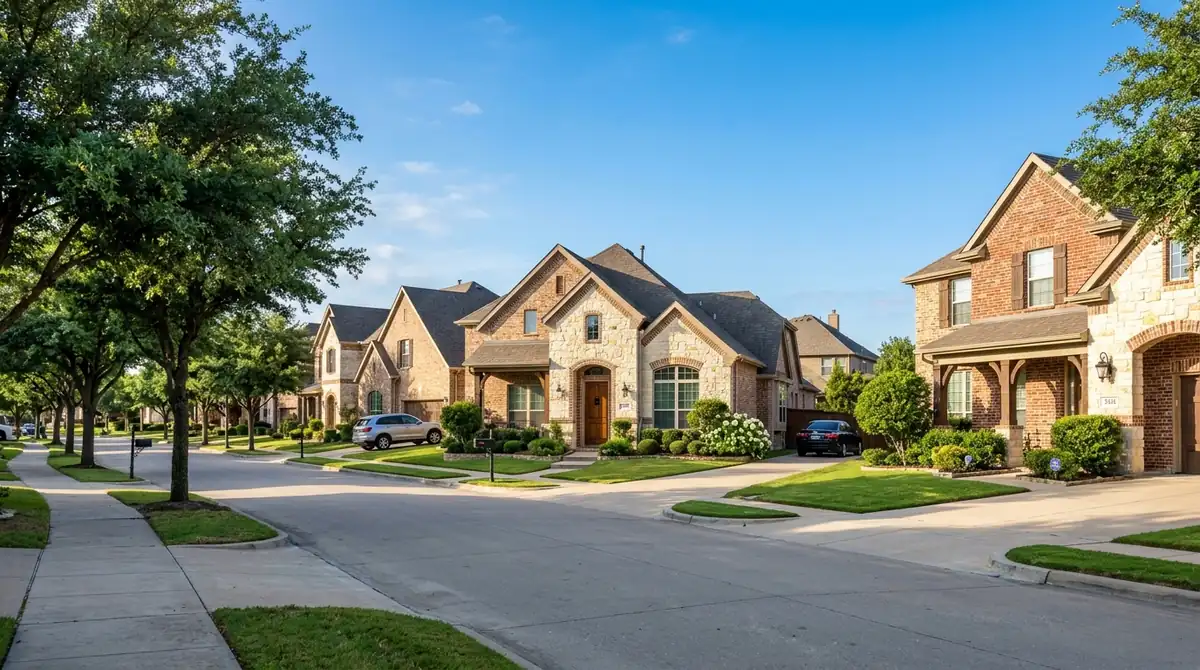
1. Restoration Services in Arlington, TX
Property damage in a large city can involve very different buildings and circumstances. A plumbing failure in a house, water intrusion in an apartment complex, smoke damage in a retail space, or mold found after a roof leak each requires a plan based on the actual site. Arlington residents and business owners need to know what restoration services address the problem, how to protect people and belongings, and which repairs belong to specialist trades.
Home Mold Water Fire Damage lists Arlington, Texas, within its service-area coverage, including the ZIP codes in our approved area inventory. We provide water damage restoration, fire and smoke damage restoration, and mold removal and remediation. Our company has more than 13 years of restoration experience, trained technicians, professional equipment, and 24/7 emergency response. Confirm current availability for the specific property address and project before arranging work.
Arlington contains a wide range of residential, commercial, institutional, and mixed-use properties. Building size, occupancy, construction, shared utilities, and access can all affect a restoration project. A leak may affect one room or several units. Smoke can move through corridors and ventilation pathways. A mold concern may involve an older moisture issue or a recent water loss. A property-specific review is essential.
- Restoration help for Arlington homes, rentals, and businesses
- Water damage restoration in Arlington
- Fire and smoke damage restoration in Arlington
- Mold removal and remediation in Arlington
- Arlington neighborhoods and ZIP code coverage
- What to do after water, fire, or mold damage
- What a restoration assessment may consider
- Planning for different Arlington property types
2. Fire & Smoke Damage Restoration in Arlington, TX
When a fire affects a property, the visible burn area is only one part of the restoration picture. Smoke can travel into adjoining rooms, soot can settle on furniture and equipment, heat may affect building components, and firefighting water can soak floors, walls, and insulation. Arlington homeowners, landlords, and business operators need a clear distinction between the emergency response and the later work of assessing, cleaning, drying, and repairing the property.
Home Mold Water Fire Damage provides fire and smoke damage restoration services in Arlington, Texas, within the approved service-area coverage, including the listed Arlington ZIP areas. Our company has more than 13 years of restoration experience, trained technicians, professional equipment, local operations serving communities across our coverage area, and 24/7 emergency response. This guide explains fire-related damage, soot and smoke cleanup, contents decisions, and what to expect once the appropriate authorities have released the property.
If a fire is active or anyone may be in danger, call 911 and follow emergency personnel instructions. Do not re-enter the building to retrieve belongings, inspect damage, or operate utilities. Fire can weaken floors, roofs, stairs, and walls, while smoke and combustion residues may create hazards in rooms that do not show visible flame damage.
- Call emergency services before arranging cleanup
- Different types of fire-related property damage
- Arlington Fire Department and property recovery
- What to do once access is permitted
- Fire and smoke damage inspection
- Soot removal and cleaning methods
- Smoke odor and contamination in other rooms
- Firefighting water and structural drying
Read Full Guide: Fire & Smoke Damage Restoration in Arlington, TX →
3. Mold Removal & Remediation in Arlington, TX
Mold concerns in an Arlington property usually begin with a moisture question. A roof leak may leave insulation damp, a plumbing connection can wet the back of a cabinet, or condensation may collect around a mechanical system. Sometimes the first visible sign is a musty smell or discoloration; in other cases, a building owner discovers damaged material while arranging a repair. The right response is not to guess the mold type from its appearance or simply cover the affected area. It is to understand why the material became damp, determine the appropriate assessment and remediation roles, and plan work that addresses both the affected material and the moisture source.
Home Mold Water Fire Damage provides mold removal and remediation services for Arlington, Texas, properties within the approved service area, including the listed Arlington ZIP-code areas. Our company has more than 13 years of restoration experience, trained technicians, professional equipment, and 24/7 emergency response. This page explains how mold-related work may be organized in homes, rentals, multi-family buildings, and commercial premises, and how Texas licensing rules affect assessment and remediation.
Mold is associated with moisture. Spores are common in the environment and can enter a building through ordinary air movement, open doors, windows, belongings, and dust. Indoor growth becomes a concern when damp materials remain wet long enough to support it. The visible patch may be only one part of the problem, while the moisture source may be hidden behind a wall, above a ceiling, beneath flooring, or around a window or roof assembly.
- Start with the moisture condition, not the visible spot
- Common moisture pathways in Arlington homes and buildings
- What to do when you discover suspected mold
- Texas mold rules: assessment and remediation are distinct roles
- How a professional mold remediation project may proceed
- Residential, rental, and commercial mold concerns
- Insurance documentation and cost considerations
- Arlington service-area context
Read Full Guide: Mold Removal & Remediation in Arlington, TX →
4. Water Damage Restoration in Arlington, TX
Water damage in Arlington can affect a single room, several floors, an apartment building, a retail space, or a larger commercial property. A plumbing failure may soak flooring and cabinets, rainwater can enter through a roof or exterior opening, and water from a drainage event may reach lower areas of a building. The visible puddle or stain is not always the full extent of the problem. A sound restoration plan identifies the source, considers water quality, and checks which materials have absorbed moisture.
Home Mold Water Fire Damage provides water damage restoration services for Arlington, Texas, within the approved service-area coverage, including the listed ZIP codes from 76001 through 76018 and other approved Arlington ZIP areas. Our company has more than 13 years of restoration experience, trained technicians, professional equipment, local operations serving communities across our coverage area, and 24/7 emergency response. This guide explains extraction, structural drying, and the difference between Arlington's public stormwater system and private property drainage.
Do not enter standing water if electrical outlets, wiring, appliances, or the service panel may be affected. Never touch downed wires or operate electrical equipment in a wet area. If you notice a gas odor, structural instability, or another immediate danger, leave and contact emergency services or the appropriate utility provider. Keep children and pets away from wet floors, damaged ceilings, and potentially contaminated water.
- Protect people before attempting water removal
- Common sources of water damage in Arlington buildings
- How Arlington's public stormwater system works
- Local drainage projects are not a property-level flood assessment
- Water extraction and the concealed footprint
- Moisture checks, structural drying, and monitoring
- Homes, apartments, commercial sites, and managed properties
- What to do before restoration help arrives
Read Full Guide: Water Damage Restoration in Arlington, TX →
Arlington, TX Restoration Services & Local Keywords Covered
This Arlington directory summarizes our local water, fire, smoke, and mold restoration guides for Arlington, TX, including local neighborhood considerations, emergency response steps, and material-specific restoration practices.
Across our dedicated guides and local service pages, Home Mold Water Fire Damage addresses the full spectrum of property damage scenarios, technical drying and cleanup procedures, material-specific decisions, safety precautions, and insurance documentation requirements. Key topics covered in detail across this directory include:
- Restoration Services in Arlington, TX
- Restoration help for Arlington homes, rentals, and businesses
- Water damage restoration in Arlington
- Fire and smoke damage restoration in Arlington
- Mold removal and remediation in Arlington
- Arlington neighborhoods and ZIP code coverage
- What to do after water, fire, or mold damage
- What a restoration assessment may consider
- Planning for different Arlington property types
- Common water-loss situations
- Single-family and multi-level homes
- Apartments and condominiums
- Retail, office, and institutional properties
- Fire & Smoke Damage Restoration in Arlington, TX
- Call emergency services before arranging cleanup
- Different types of fire-related property damage
- Arlington Fire Department and property recovery
- What to do once access is permitted
- Fire and smoke damage inspection
- Soot removal and cleaning methods
- Smoke odor and contamination in other rooms
- Firefighting water and structural drying
- Insurance records and repair coordination
- Arrange fire and smoke damage restoration in Arlington
- Mold Removal & Remediation in Arlington, TX
- Start with the moisture condition, not the visible spot
- Common moisture pathways in Arlington homes and buildings
- What to do when you discover suspected mold
How Our Restoration Process Works from First Call to Final Verification
Every property damage event—whether caused by a sudden supply-line burst, storm intrusion, sewage backup, kitchen fire, smoke migration, or hidden moisture feeding mold growth—requires a structured, documented response. Home Mold Water Fire Damage brings more than 13 years of restoration experience, trained technicians, professional restoration equipment, and 24/7 emergency response to residential and commercial properties across Fort Worth, Haltom City, Bedford, and surrounding North Texas communities.
1. Safety First, Source Control & Initial Assessment
Before restoration equipment is placed, immediate life-safety hazards must be addressed. Active fire, gas leaks, or electrical risks require emergency services or utility shutoff first. For plumbing failures, a licensed plumber should repair the failed pipe or fixture when plumbing licensure is required. Once the property is safe to enter, our technicians inspect affected rooms, trace moisture or smoke migration paths, and document baseline conditions.
2. Containment, Extraction & Residue Removal
Depending on the loss type, early mitigation may involve high-capacity water extraction, selective removal of unsalvageable saturated materials, emergency board-up and weatherproofing, soot and smoke residue cleaning, or physical containment with negative air and HEPA filtration during mold remediation. Addressing the primary source and containing affected zones prevents secondary damage to unaffected rooms and contents.
3. Structural Drying, Dehumidification & Verification
Surfaces that look dry can still trap moisture inside wall cavities, subfloors, carpet padding, framing, or attics. Our team uses commercial air movers, refrigerant or desiccant dehumidifiers, and calibrated moisture meters to track drying progress across affected assemblies until target moisture levels are reached. For smoke odor or mold concerns, proper source removal and air scrubbing are paired with clear documentation of what was cleaned, dried, or removed.
4. Residential, Commercial & Insurance Documentation Support
Whether you are a homeowner, landlord, property manager, or commercial facility operator, clear scope communication and organized records matter. We provide photographs, moisture logs, and mitigation scope documentation to help you coordinate with your insurance carrier, adjuster, or building management. While coverage decisions always depend on your specific policy terms, prompt mitigation and thorough records protect both your property and your claim file.
Serving Arlington, TX & Surrounding Tarrant County Communities
Home Mold Water Fire Damage serves Arlington, TX with 24/7 emergency response, trained technicians, and over 13 years of restoration experience. Contact us with your Arlington street address and ZIP code to confirm availability and arrange an assessment.
Our primary service hubs include Fort Worth, TX, Haltom City, TX, and Bedford, TX, along with surrounding Tarrant and Johnson County communities listed in our complete service areas directory. When you contact our team, please share your full street address, city, ZIP code, and a brief description of what happened so we can confirm current availability and dispatch the right equipment.
Frequently Asked Questions
Which Arlington ZIP codes are included?
The approved service-area inventory lists 76001, 76002, 76005, 76006, 76010, 76011, 76012, 76013, 76014, 76015, 76016, 76017, and 76018. Confirm current availability for the specific address.
Does the city repair private property drainage?
The city's public information distinguishes its public stormwater system from privately maintained property such as apartment complexes, shopping centers, and HOAs. Owners or managers are responsible for private systems.
Can stormwater enter a building even if the roof is intact?
Yes. Water may enter through doors, low openings, foundation areas, or other building-envelope weaknesses. The entry point needs to be identified at the property.
Can smoke damage items outside the room where the fire started?
Yes. Smoke and soot can move through a building depending on airflow, layout, and fire conditions.
Does every mold problem need testing?
No. Testing is not automatically required. A licensed assessor can explain whether sampling would answer a specific question for the project.
Will insurance cover restoration?
Coverage depends on the policy, cause of loss, exclusions, limits, endorsements, and insurer decision. Contact your insurer for policy-specific guidance.
Can restoration begin before the property is released?
Do not assume so. Access and work must follow instructions from the fire department and other authorities responsible for the scene and building safety.
Can smoke damage areas away from the fire?
Yes. Smoke may travel through hallways, openings, ceiling spaces, and ventilation routes. The affected area should be assessed based on the building and fire conditions.