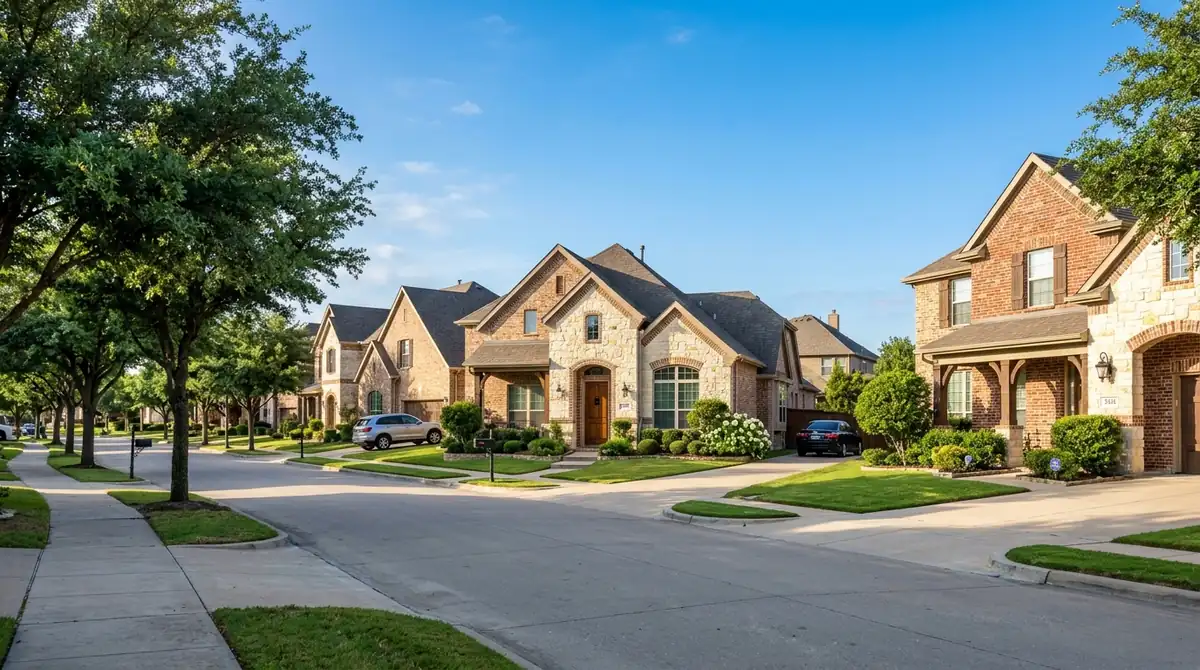
1. Restoration Services in Fort Worth, TX
Fort Worth properties range from older homes and townhouses to apartment communities, offices, retail buildings, warehouses, and large facilities. A pipe failure in one building, a roof leak in another, or smoke damage after a kitchen fire can create very different restoration needs. The right response starts with identifying the source, protecting occupants, and understanding which materials and rooms have actually been affected.
Home Mold Water Fire Damage serves Fort Worth, Texas, across the ZIP codes listed in our approved service-area inventory. We provide water damage restoration, fire and smoke damage restoration, and mold removal and remediation. Our company has more than 13 years of restoration experience, trained technicians, professional equipment, and 24/7 emergency response. Because Fort Worth is geographically extensive, confirm current availability for the complete property address before arranging service.
A restoration plan should reflect the building and the type of loss. A water leak in a house may affect hardwood, cabinets, drywall, and insulation. A multi-unit property may require coordination between management and several residents. A commercial building may need a plan that protects inventory, records, electronics, and safe access for employees. Fire and mold projects have their own assessment, safety, and trade requirements.
- Restoration services across Fort Worth
- Water damage restoration in Fort Worth
- Fire and smoke damage restoration in Fort Worth
- Mold removal and remediation in Fort Worth
- Fort Worth ZIP codes and geographic coverage
- What to do after water, fire, or mold damage
- How restoration is coordinated in a large city
- Different property types need different restoration plans
2. Fire & Smoke Damage Restoration in Fort Worth, TX
After a fire, the visible burn area rarely tells the whole story. Smoke can move through doorways, corridors, ceiling spaces, and ventilation pathways. Soot may settle on furniture and equipment well beyond the room where flames were present, while water used during firefighting can create a separate drying problem. Fort Worth property owners often need to make several decisions at once: wait for official clearance, protect the building from further exposure, document the loss, and understand which materials may be cleaned or need removal.
Home Mold Water Fire Damage provides fire and smoke damage restoration for homes and businesses in Fort Worth, Texas, within the service locations listed in our coverage information. Our services may include post-fire cleanup planning, soot and residue removal, smoke-affected contents assessment, odor treatment, and coordination of water-related restoration. We bring more than 13 years of restoration experience, trained technicians, professional equipment, and 24/7 emergency response. Work begins only when the site is safe and the relevant authorities have permitted access.
Fire restoration is not simply washing black marks from walls. Heat, combustion residues, smoke particles, firefighting water, and the condition of the building all influence the work. A kitchen fire may leave concentrated residues around cabinets and ceilings, while smoke can travel into adjoining rooms or shared building spaces. A larger fire may affect structural components, electrical systems, insulation, roof assemblies, and personal belongings. The scope should be based on an inspection and the incident conditions.
- What fire and smoke restoration covers
- First steps after a fire in Fort Worth
- Understanding smoke and soot damage
- Firefighting water can create a second restoration problem
- Fort Worth emergency response and scene access
- Fire restoration for Fort Worth homes and businesses
- Cleaning smoke-affected contents and surfaces
- Smoke odor treatment and HVAC considerations
Read Full Guide: Fire & Smoke Damage Restoration in Fort Worth, TX →
3. Mold Removal & Remediation in Fort Worth, TX
Indoor mold concerns often begin with a water problem that was missed, concealed, or not fully dried. A musty smell near a bathroom wall, discoloration below a window, damp carpet after a leak, or recurring moisture around an air-conditioning system can prompt questions about what is growing and how far it extends. The useful response is to identify the moisture condition, understand the affected materials, and decide whether regulated mold assessment or remediation work is required.
Home Mold Water Fire Damage provides mold removal and remediation services for residential and commercial properties in Fort Worth, Texas, within our listed service coverage. Our team has more than 13 years of restoration experience, trained technicians, professional equipment, and 24/7 emergency response for restoration needs. Mold projects must be approached carefully: Texas regulates mold assessment and remediation activities, and the roles must remain appropriately separate on the same project where required by law.
Mold is part of the natural environment. Spores can enter buildings through ordinary air movement, doors, windows, and materials brought indoors. The practical concern is not the mere presence of spores but whether moisture conditions allow growth on building materials or belongings. Mold can appear on drywall, wood, insulation, carpet, paper products, furnishings, and other surfaces when they remain damp.
- Understanding mold removal and remediation
- Common moisture sources in Fort Worth buildings
- Signs that deserve a closer look
- What to do if you suspect mold
- Texas mold assessment and remediation requirements
- Why assessment and remediation are different tasks
- Containment, removal, and cleaning decisions
- Residential, rental, and commercial mold concerns
Read Full Guide: Mold Removal & Remediation in Fort Worth, TX →
4. Water Damage Restoration in Fort Worth, TX
Water damage in Fort Worth can begin with an obvious event, such as a broken supply line or storm-related roof leak, or with a slow problem that stays hidden behind a cabinet, beneath flooring, or above a ceiling. A property may look mostly dry while insulation, framing, baseboards, and subfloor materials still hold moisture. The first useful step is not to guess how much can be saved. It is to make the area safe, stop the source when possible, and identify where the water has travelled.
Home Mold Water Fire Damage provides water damage restoration for homes and businesses in Fort Worth, Texas, within the service locations listed in our coverage information. Our work may include water extraction, moisture checks, structural drying, dehumidification, and coordination of related repair needs. We bring more than 13 years of restoration experience, trained technicians, professional equipment, and 24/7 emergency response. The appropriate plan depends on the source, category, duration, building materials, and extent of the damage.
Water restoration is a sequence of decisions based on conditions at the property. Removing visible water is only one part. A technician also needs to understand whether water entered from a plumbing failure, appliance, roof opening, exterior drainage issue, or another source; whether it may be contaminated; and which building materials can be dried safely. A small leak can affect a larger area than the stain suggests, while a dramatic puddle on a hard floor may be easier to remove than moisture trapped in a wall assembly.
- What Fort Worth water damage restoration involves
- Common causes of water damage in Fort Worth properties
- What to do immediately after water enters your property
- Water extraction and moisture assessment
- Structural drying and dehumidification
- Water damage in houses, apartments, and commercial buildings
- Fort Worth stormwater information and private-property responsibility
- Working with insurance after water damage
Read Full Guide: Water Damage Restoration in Fort Worth, TX →
Fort Worth, TX Restoration Services & Local Keywords Covered
This Fort Worth directory summarizes our local water, fire, smoke, and mold restoration guides for Fort Worth, TX, including local neighborhood considerations, emergency response steps, and material-specific restoration practices.
Across our dedicated guides and local service pages, Home Mold Water Fire Damage addresses the full spectrum of property damage scenarios, technical drying and cleanup procedures, material-specific decisions, safety precautions, and insurance documentation requirements. Key topics covered in detail across this directory include:
- Restoration Services in Fort Worth, TX
- Restoration services across Fort Worth
- Water damage restoration in Fort Worth
- Fire and smoke damage restoration in Fort Worth
- Mold removal and remediation in Fort Worth
- Fort Worth ZIP codes and geographic coverage
- What to do after water, fire, or mold damage
- How restoration is coordinated in a large city
- Different property types need different restoration plans
- Fort Worth restoration service guides
- Common water problems in residential and commercial buildings
- Older homes and established neighborhoods
- Apartments and condominiums
- Offices, retail, and industrial buildings
- Fire & Smoke Damage Restoration in Fort Worth, TX
- What fire and smoke restoration covers
- First steps after a fire in Fort Worth
- Understanding smoke and soot damage
- Firefighting water can create a second restoration problem
- Fort Worth emergency response and scene access
- Fire restoration for Fort Worth homes and businesses
- Cleaning smoke-affected contents and surfaces
- Smoke odor treatment and HVAC considerations
- Insurance documentation after a fire
- How Home Mold Water Fire Damage organizes a Fort Worth fire-loss project
- Arrange fire and smoke damage restoration in Fort Worth
- Smoke migration
- Soot deposits
How Our Restoration Process Works from First Call to Final Verification
Every property damage event—whether caused by a sudden supply-line burst, storm intrusion, sewage backup, kitchen fire, smoke migration, or hidden moisture feeding mold growth—requires a structured, documented response. Home Mold Water Fire Damage brings more than 13 years of restoration experience, trained technicians, professional restoration equipment, and 24/7 emergency response to residential and commercial properties across Fort Worth, Haltom City, Bedford, and surrounding North Texas communities.
1. Safety First, Source Control & Initial Assessment
Before restoration equipment is placed, immediate life-safety hazards must be addressed. Active fire, gas leaks, or electrical risks require emergency services or utility shutoff first. For plumbing failures, a licensed plumber should repair the failed pipe or fixture when plumbing licensure is required. Once the property is safe to enter, our technicians inspect affected rooms, trace moisture or smoke migration paths, and document baseline conditions.
2. Containment, Extraction & Residue Removal
Depending on the loss type, early mitigation may involve high-capacity water extraction, selective removal of unsalvageable saturated materials, emergency board-up and weatherproofing, soot and smoke residue cleaning, or physical containment with negative air and HEPA filtration during mold remediation. Addressing the primary source and containing affected zones prevents secondary damage to unaffected rooms and contents.
3. Structural Drying, Dehumidification & Verification
Surfaces that look dry can still trap moisture inside wall cavities, subfloors, carpet padding, framing, or attics. Our team uses commercial air movers, refrigerant or desiccant dehumidifiers, and calibrated moisture meters to track drying progress across affected assemblies until target moisture levels are reached. For smoke odor or mold concerns, proper source removal and air scrubbing are paired with clear documentation of what was cleaned, dried, or removed.
4. Residential, Commercial & Insurance Documentation Support
Whether you are a homeowner, landlord, property manager, or commercial facility operator, clear scope communication and organized records matter. We provide photographs, moisture logs, and mitigation scope documentation to help you coordinate with your insurance carrier, adjuster, or building management. While coverage decisions always depend on your specific policy terms, prompt mitigation and thorough records protect both your property and your claim file.
Serving Fort Worth, TX & Surrounding Tarrant County Communities
Home Mold Water Fire Damage serves Fort Worth, TX with 24/7 emergency response, trained technicians, and over 13 years of restoration experience. Contact us with your Fort Worth street address and ZIP code to confirm availability and arrange an assessment.
Our primary service hubs include Fort Worth, TX, Haltom City, TX, and Bedford, TX, along with surrounding Tarrant and Johnson County communities listed in our complete service areas directory. When you contact our team, please share your full street address, city, ZIP code, and a brief description of what happened so we can confirm current availability and dispatch the right equipment.
Frequently Asked Questions
Which ZIP codes are included in the Fort Worth service area?
The approved inventory lists 32 ZIP codes from 76102 through 76179, including the specific ZIPs listed above. Confirm current availability for your exact address.
Can I use the city's flood-risk viewer?
Fort Worth provides public flood-risk information and address-based mapping resources. Use the city's current tools for property-specific public information and remember that a map is not a building inspection or a guarantee about future conditions.
Does the city handle water damage inside a home?
City departments manage public infrastructure within their responsibilities. Interior damage in a private building may require the property owner, utility provider, plumber, insurer, and restoration professional.
Can a small leak cause mold behind a wall?
Yes. Moisture can remain in concealed materials after the visible surface dries. The source and affected building layers both need attention.
Can smoke damage contents in a separate room?
Yes. Smoke and soot can travel through a building depending on airflow, layout, and fire conditions.
Does insurance always cover sudden water damage?
No blanket answer applies. Coverage depends on the policy, source, exclusions, limits, endorsements, and insurer decision.
Can I enter my property after firefighters leave?
Only when the authority responsible for the scene has permitted access and the building is safe to enter. A contractor cannot release a scene or overrule an official restriction.
Does smoke damage rooms that were not burned?
It can. Smoke may travel through openings and air pathways, and residue may settle away from the fire room. An inspection helps determine which spaces and contents need attention.