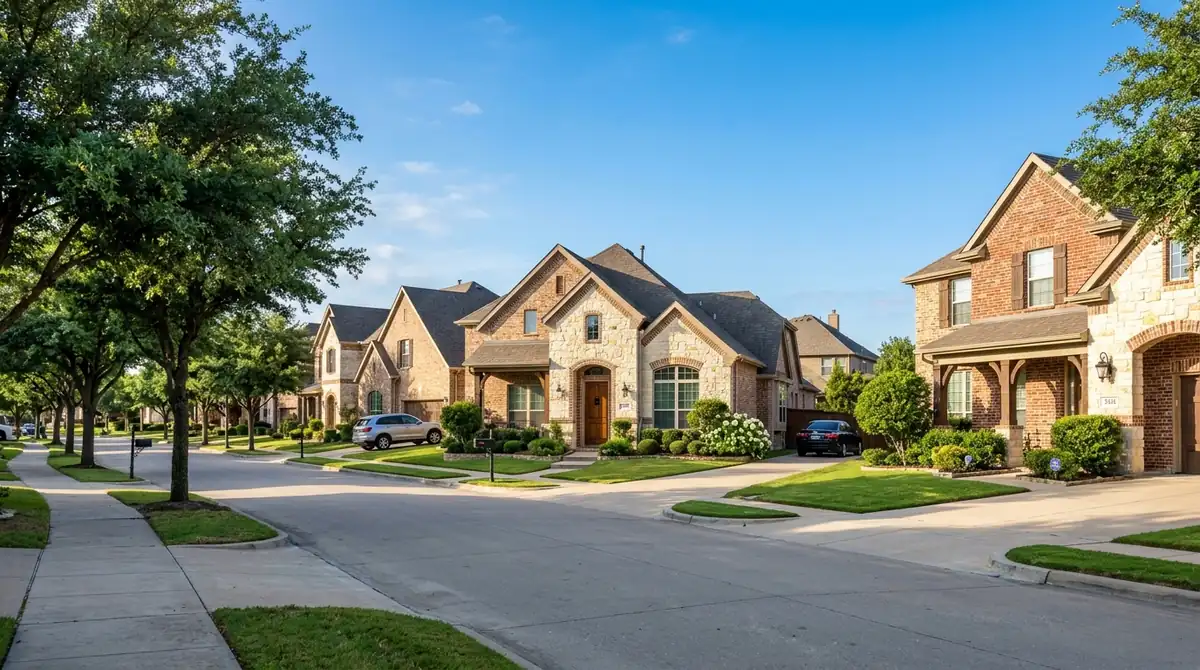
1. Restoration Services in Bedford, TX
A burst pipe, appliance leak, roof opening, or fire can turn an ordinary day into a complicated property problem. Water may spread below flooring or behind cabinets, smoke residue can settle in rooms away from the flames, and damp materials may develop mold if moisture is not addressed. Bedford homeowners, landlords, and businesses need a clear understanding of the restoration options and the steps that should come before repairs.
Home Mold Water Fire Damage serves Bedford, Texas, including ZIP codes 76021 and 76022, with water damage restoration, fire and smoke damage restoration, and mold removal and remediation. Our team brings more than 13 years of restoration experience, trained technicians, professional equipment, and 24/7 emergency response. This page explains how these services apply to Bedford properties, what to do after damage, and how local infrastructure information can help residents understand the difference between public utility issues and private building damage.
Bedford properties include owner-occupied homes, rental housing, apartments, offices, retail spaces, and other commercial buildings. The correct restoration plan depends on the building's construction, materials, source of damage, and whether the property is occupied. A water loss in a kitchen may affect cabinets and adjoining rooms, while a roof leak may wet attic insulation before a ceiling stain appears. A fire may create smoke and soot conditions throughout more than one room.
- Property restoration for Bedford homes and businesses
- Water damage restoration in Bedford
- Fire and smoke damage restoration in Bedford
- Mold removal and remediation in Bedford
- Bedford neighborhoods and local service coverage
- What to do after property damage
- What a restoration project may include
- Planning around different Bedford property types
2. Fire & Smoke Damage Restoration in Bedford, TX
After a fire, the damage may extend well beyond the burned area. Smoke can move through adjoining rooms, soot can settle on furniture and equipment, heat can affect building components, and firefighting water can soak floors and wall cavities. Bedford property owners often need to coordinate several separate decisions: when the building is safe to enter, what the fire investigation requires, which contents may be salvageable, and what cleanup or repair work is appropriate.
Home Mold Water Fire Damage provides fire and smoke damage restoration services in Bedford, Texas, including ZIP codes 76021 and 76022 from the approved service-area inventory. Our company has more than 13 years of restoration experience, trained technicians, professional equipment, local operations serving communities across our coverage area, and 24/7 emergency response. This guide explains the transition from emergency response to private restoration, soot and smoke cleanup, contents decisions, and the possible effects of suppression water.
If a fire is active, call 911 and follow emergency personnel instructions. Do not go back inside to retrieve possessions, inspect damage, or shut down equipment. Fire can weaken floors, roofs, stairs, and walls, and smoke can leave hazardous residues even in areas without visible flame damage. Electrical, gas, and structural hazards may remain after the flames are extinguished.
- Wait for official clearance before entering
- Understanding the different types of fire loss
- Bedford fire prevention and property inspections
- First actions after the property is released
- How a fire restoration inspection is organized
- Soot cleanup and contents care
- Smoke odor and contamination beyond the fire room
- Fire suppression water and drying needs
Read Full Guide: Fire & Smoke Damage Restoration in Bedford, TX →
3. Mold Removal & Remediation in Bedford, TX
Mold concerns in a Bedford property often begin with a moisture problem that was not obvious at first. A small plumbing leak may wet the back of a cabinet, a roof opening can dampen insulation before a ceiling stain appears, or a bathroom may remain humid because moisture is not being exhausted. When growth or a musty odor appears, the useful question is not simply how to clean the visible patch. It is where moisture is coming from, which materials are affected, and what work is needed to prevent the condition from returning.
Home Mold Water Fire Damage provides mold removal and remediation services in Bedford, Texas, including ZIP codes 76021 and 76022 from the approved service-area inventory. Our company has more than 13 years of restoration experience, trained technicians, professional equipment, local operations serving communities across our coverage area, and 24/7 emergency response. This page explains common moisture pathways, Texas mold regulations, remediation planning, and what Bedford property owners should know before arranging work.
Mold spores are common in the environment and can enter buildings through ordinary air movement, doors, windows, dust, and objects brought inside. Their presence alone does not establish that a building has an active mold problem. Growth is more likely when spores settle on materials that remain damp and conditions allow moisture to persist. A lasting response therefore requires attention to the source of dampness as well as the affected materials.
- Mold remediation starts with moisture investigation
- Where moisture can collect in Bedford homes and buildings
- Bedford Public Works and private building plumbing
- When professional mold assessment is appropriate
- Texas rules for mold assessment and remediation
- What a mold remediation project may involve
- Correct the source before closing the building assembly
- Safe steps for Bedford occupants
Read Full Guide: Mold Removal & Remediation in Bedford, TX →
4. Water Damage Restoration in Bedford, TX
Water damage in a Bedford home or business can begin with a pipe that splits, an appliance hose that loosens, a water heater that leaks, a roof opening, or a drain that backs up. Even when the visible water seems limited, it can move beneath flooring, into cabinets, behind baseboards, and through wall or ceiling cavities. A useful restoration response starts by protecting people, identifying the source, and determining which materials have absorbed moisture.
Home Mold Water Fire Damage provides water damage restoration services for Bedford, Texas, including ZIP codes 76021 and 76022 from the approved service-area inventory. We have more than 13 years of restoration experience, trained technicians, professional equipment, local operations serving communities across our coverage area, and 24/7 emergency response. This guide covers common water-loss situations, extraction, drying, and the difference between city infrastructure issues and damage inside a private property.
Do not enter standing water if electrical outlets, wiring, appliances, or a service panel may be affected. Never touch downed wires or operate electrical equipment in a wet area. If there is a gas odor, structural instability, or another immediate threat, leave the property and contact emergency services or the appropriate utility provider. Keep children and pets away from wet rooms and damaged ceilings.
- Start with safety and the water source
- Common causes of water damage in Bedford properties
- Bedford Public Works and private property responsibilities
- Water extraction: removing more than the visible puddle
- Moisture inspection and structural drying
- Water damage in houses, apartments, and commercial buildings
- What Bedford property owners can do before help arrives
- Water damage and later mold concerns
Bedford, TX Restoration Services & Local Keywords Covered
This Bedford directory summarizes our local water, fire, smoke, and mold restoration guides for Bedford, TX, including local neighborhood considerations, emergency response steps, and material-specific restoration practices.
Across our dedicated guides and local service pages, Home Mold Water Fire Damage addresses the full spectrum of property damage scenarios, technical drying and cleanup procedures, material-specific decisions, safety precautions, and insurance documentation requirements. Key topics covered in detail across this directory include:
- Restoration Services in Bedford, TX
- Property restoration for Bedford homes and businesses
- Water damage restoration in Bedford
- Fire and smoke damage restoration in Bedford
- Mold removal and remediation in Bedford
- Bedford neighborhoods and local service coverage
- What to do after property damage
- What a restoration project may include
- Planning around different Bedford property types
- Common causes of indoor water damage
- Single-family homes
- Rental homes and apartments
- Commercial properties
- Fire & Smoke Damage Restoration in Bedford, TX
- Wait for official clearance before entering
- Understanding the different types of fire loss
- Bedford fire prevention and property inspections
- First actions after the property is released
- How a fire restoration inspection is organized
- Soot cleanup and contents care
- Smoke odor and contamination beyond the fire room
- Fire suppression water and drying needs
- Insurance, investigation records, and restoration estimates
- Arrange fire and smoke damage restoration in Bedford
- Mold Removal & Remediation in Bedford, TX
- Mold remediation starts with moisture investigation
- Where moisture can collect in Bedford homes and buildings
- Bedford Public Works and private building plumbing
How Our Restoration Process Works from First Call to Final Verification
Every property damage event—whether caused by a sudden supply-line burst, storm intrusion, sewage backup, kitchen fire, smoke migration, or hidden moisture feeding mold growth—requires a structured, documented response. Home Mold Water Fire Damage brings more than 13 years of restoration experience, trained technicians, professional restoration equipment, and 24/7 emergency response to residential and commercial properties across Fort Worth, Haltom City, Bedford, and surrounding North Texas communities.
1. Safety First, Source Control & Initial Assessment
Before restoration equipment is placed, immediate life-safety hazards must be addressed. Active fire, gas leaks, or electrical risks require emergency services or utility shutoff first. For plumbing failures, a licensed plumber should repair the failed pipe or fixture when plumbing licensure is required. Once the property is safe to enter, our technicians inspect affected rooms, trace moisture or smoke migration paths, and document baseline conditions.
2. Containment, Extraction & Residue Removal
Depending on the loss type, early mitigation may involve high-capacity water extraction, selective removal of unsalvageable saturated materials, emergency board-up and weatherproofing, soot and smoke residue cleaning, or physical containment with negative air and HEPA filtration during mold remediation. Addressing the primary source and containing affected zones prevents secondary damage to unaffected rooms and contents.
3. Structural Drying, Dehumidification & Verification
Surfaces that look dry can still trap moisture inside wall cavities, subfloors, carpet padding, framing, or attics. Our team uses commercial air movers, refrigerant or desiccant dehumidifiers, and calibrated moisture meters to track drying progress across affected assemblies until target moisture levels are reached. For smoke odor or mold concerns, proper source removal and air scrubbing are paired with clear documentation of what was cleaned, dried, or removed.
4. Residential, Commercial & Insurance Documentation Support
Whether you are a homeowner, landlord, property manager, or commercial facility operator, clear scope communication and organized records matter. We provide photographs, moisture logs, and mitigation scope documentation to help you coordinate with your insurance carrier, adjuster, or building management. While coverage decisions always depend on your specific policy terms, prompt mitigation and thorough records protect both your property and your claim file.
Serving Bedford, TX & Surrounding Tarrant County Communities
Home Mold Water Fire Damage serves Bedford, TX with 24/7 emergency response, trained technicians, and over 13 years of restoration experience. Contact us with your Bedford street address and ZIP code to confirm availability and arrange an assessment.
Our primary service hubs include Fort Worth, TX, Haltom City, TX, and Bedford, TX, along with surrounding Tarrant and Johnson County communities listed in our complete service areas directory. When you contact our team, please share your full street address, city, ZIP code, and a brief description of what happened so we can confirm current availability and dispatch the right equipment.
Frequently Asked Questions
Which Bedford ZIP codes are included?
The approved service-area inventory lists 76021 and 76022. Confirm current service availability for the exact address.
Does Bedford Public Works handle every water problem?
No. Public Works maintains city infrastructure, while leaks inside private buildings may require a plumber, property manager, and restoration professional. Contact the appropriate city department for public utility issues.
Can a small pipe leak cause hidden damage?
Yes. Water may travel behind baseboards, under flooring, and into wall or ceiling cavities. A visible stain may not show the full extent.
Can smoke affect rooms that were not burned?
Yes. Smoke and soot may move through the building depending on airflow, layout, and fire conditions.
Does every mold project require testing?
No. Testing is not automatically necessary. A licensed assessor can explain whether sampling would answer a defined question for the project.
Will insurance cover the restoration?
Coverage depends on the policy language, cause of loss, exclusions, limits, endorsements, and insurer decision. Ask your insurer about the specific event and keep records.
Can a restoration contractor release the property after a fire?
No. Follow the fire department, Fire Marshal, building official, and other authorities responsible for scene access and safety. A restoration provider cannot replace their clearance or investigation roles.
Should I wipe soot from furniture?
Avoid aggressive wiping or household vacuuming. Different residues and materials need different methods, and unsuitable cleaning can spread or set the residue.