Water damage restoration for Benbrook properties
Water restoration includes more than removing water from a visible floor. Moisture can remain in carpet backing, underlayment, baseboards, drywall, insulation, framing, and enclosed cavities. The right approach depends on the water source, how long materials were wet, whether contamination is possible, and whether the building can be accessed safely. Some materials may be dried in place; others may need removal because they are damaged, contaminated, or cannot be dried effectively.
An initial assessment typically considers the reported event, the source, the affected rooms, accessible building materials, and any immediate safety concerns. Moisture measurements can help identify areas requiring further attention and track drying progress. A reading is only useful when interpreted alongside the material type, room conditions, and comparison points. No single measurement can prove that an entire building assembly is dry.
Common sources of water damage in Benbrook
Plumbing leaks and pipe failures
Supply lines, valves, fittings, drain connections, and concealed pipes can leak behind walls or below cabinets. A sudden pipe failure may release a large volume of water, while a small leak can remain active for weeks. If a shutoff valve is safely accessible, turning it off may limit further release. A licensed plumber should repair the plumbing system; restoration professionals address the resulting moisture and material damage.
Appliance and bathroom overflows
Dishwashers, washing machines, refrigerators with water connections, water heaters, toilets, tubs, and sinks are common sources of interior water. Water can travel beneath cabinets or flooring before the visible edge of the wet area becomes clear. If the source is a faulty appliance connection or fixture, have it repaired before the area is considered restored.
Roof and exterior openings
Damaged roofing, flashing, gutters, window seals, and exterior penetrations can allow rainwater to enter. The location of a ceiling stain may not be directly below the roof opening because water can follow framing or other surfaces. A qualified roofer or building-envelope contractor should correct the exterior source. Interior restoration can then address wet materials and any related odor or mold concern.
Drainage and stormwater
Benbrook's Public Works Department maintains streets, curbs, and drainage areas. The city's stormwater information explains that drainage maintenance is focused on flood control and prevention and that many drainage areas, including creeks, are on private property. This distinction matters: municipal drainage maintenance does not mean the city performs water extraction or interior repairs in private buildings. Property owners may have responsibilities for drainage features located on their land.
What to do when water damage occurs
- Keep people safe. Do not enter standing water if electrical outlets, appliances, wiring, or service equipment may be affected. If you suspect an electrical hazard, stay clear and contact the appropriate emergency or utility professional.
- Stop the source if safe. Shut off an accessible water valve only if it can be reached without entering a hazardous area. Arrange a licensed plumber for a pipe or fixture failure.
- Avoid contaminated water. Sewage backup and outdoor floodwater may contain contaminants. Do not handle them or use ordinary household equipment to remove them.
- Record the damage. Photograph visible conditions from a safe place and note when the water was discovered, what may have caused it, and any steps already taken.
- Arrange appropriate help. A restoration assessment can identify affected materials and drying needs. Roofing, plumbing, electrical, and structural repairs may require separate qualified professionals.
Do not pull up flooring, cut drywall, or run fans and electrical appliances in a wet area simply to speed up drying. Hidden wiring, sharp debris, contaminated water, and weakened materials can create hazards. Avoid disturbing materials until the property has been assessed and the correct scope is understood.
Water extraction and moisture checks
Extraction removes standing water from accessible surfaces using equipment appropriate to the source and conditions. It may be followed by inspection of adjacent rooms, wall bases, cabinets, floor transitions, and ceilings below. Water does not always stop at the edge of a visible stain. A moisture check helps determine whether materials that look dry may still hold water.
Technicians may compare readings in affected materials with similar unaffected materials and document the locations that need monitoring. Different materials respond differently, and surface readings should not be treated as a complete picture of concealed cavities. If water has entered a wall or floor assembly, further inspection may be needed to decide whether drying in place is practical or removal is required.
Structural drying and dehumidification
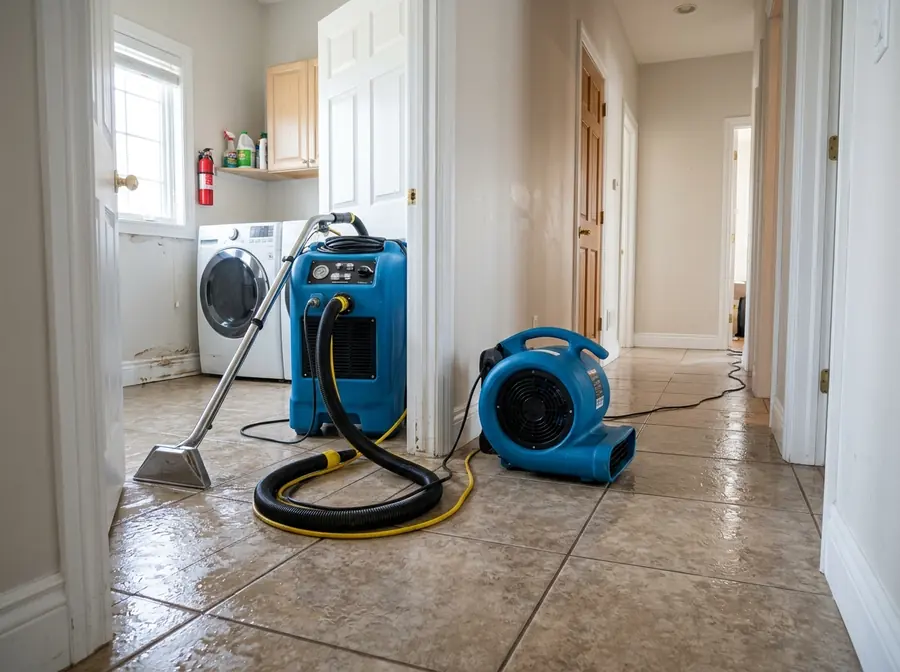
Once standing water is removed, controlled airflow and dehumidification may support the drying of suitable building materials. Equipment placement should reflect the room layout, affected surfaces, and moisture conditions. The process may require repeated monitoring and adjustment rather than one setup followed by a fixed waiting period. Drying times vary with the material, extent of wetting, temperature, humidity, and airflow.
Not every wet material can be saved. Porous materials exposed to contaminated water, materials that have deteriorated, or assemblies that cannot be accessed for effective drying may need removal. Decisions about drywall, insulation, flooring, cabinetry, and trim should be explained in the work scope. A contractor should not promise that all materials can be restored before they have been inspected.
Benbrook stormwater information and private drainage
The City of Benbrook publishes stormwater management information and explains the limits of its drainage-maintenance work. The city notes that many drainage areas are located on private property and that adjoining owners may be responsible for vegetation and erosion control. It also describes larger drainage improvements as municipal projects that may involve private contractors.
For a property owner, the practical lesson is to identify whether the water came from a public drainage concern, a private drainage feature, a plumbing system, a roof, or another source. The correct reporting route and repair professional may differ. A city drainage page cannot determine whether a specific house or business has experienced water intrusion, and a ZIP code alone cannot establish a property's flood exposure.
Restoration in Benbrook houses and commercial properties
Residential water losses can affect kitchens, bathrooms, laundry rooms, garages, bedrooms, and spaces below a plumbing fixture. In a multi-unit or rental property, owners and managers may need to coordinate access and communication among tenants. Water may cross a unit boundary or travel into shared building components, so the inspection should consider the wider affected area when appropriate.
Commercial properties may include offices, retail spaces, restaurants, workshops, and storage areas. The response may need to account for business equipment, inventory, customer access, and the safe separation of affected rooms. A restoration plan should distinguish emergency water mitigation from reconstruction and from work that must be completed by a licensed plumber, electrician, roofer, or other trade.
When water damage creates a mold concern
Materials that remain damp may support mold growth. A musty odor or visible discoloration after a leak deserves attention, but appearance alone cannot identify a species or determine the full extent of a problem. The first step is to correct the moisture source and understand which materials were affected. If mold assessment or remediation is required under Texas rules, the appropriate licensed professionals and separate roles must be used.
Do not scrape, sand, or remove extensive suspected mold yourself. Avoid mixing cleaning chemicals or painting over a damp or affected surface. Read our mold removal and remediation guide for general information about moisture control and Texas requirements.
Insurance documentation after a water loss
Contact your insurer or agent and ask what documentation and approvals apply. Photograph visible damage, record the date and circumstances, save receipts for reasonable emergency expenses, and keep copies of estimates and invoices. If safe, make a list of damaged contents. Do not discard items that may need inspection unless leaving them in place creates a safety or sanitation issue.
Coverage depends on the cause of loss and the policy's wording, exclusions, limits, deductibles, and endorsements. Sudden plumbing failures, long-term seepage, surface water, sewer backup, and flood losses may be treated differently. Home Mold Water Fire Damage can explain observed conditions and work performed, but cannot guarantee claim approval. Our insurance claims help guide offers general documentation suggestions.
How Home Mold Water Fire Damage approaches a Benbrook water-loss project
We begin by discussing what happened and whether the source has been controlled. After confirming safe access, the team can inspect affected areas, identify likely moisture pathways, and explain what extraction or drying may be appropriate. If conditions require a plumber, roofer, electrician, engineer, or other specialist, that boundary should be made clear rather than included as an unsupported promise.
Our company has more than 13 years of restoration experience, trained technicians, professional equipment, and 24/7 emergency response. The work plan is specific to the property, and the duration depends on what is found. We aim to communicate the scope, monitoring needs, and any changes that arise when concealed damage becomes visible.
Frequently asked questions about Benbrook water damage
Does Benbrook Public Works remove water from private homes?
Public Works maintains municipal infrastructure such as streets and drainage areas. Interior extraction and building restoration are separate private-property services.
Can a small plumbing leak cause hidden damage?
Yes. Water can move into cabinets, wall cavities, floor layers, and adjoining rooms. Moisture checks help determine whether concealed materials are affected.
How long does structural drying take?
There is no reliable fixed timeline. Drying depends on the amount of water, materials, environmental conditions, and whether concealed areas can be accessed.
Should I turn on my air conditioner after a water loss?
Do not operate electrical or HVAC equipment in or connected to a wet or potentially contaminated area until it has been assessed and is safe to use.
Will insurance cover the damage?
It depends on the cause and policy terms. Ask your insurer for a coverage decision and keep the restoration documentation.
Arrange water damage restoration in Benbrook
If water has affected your Benbrook property, focus first on safety and stopping the source when it is safe to do so. A restoration assessment can help identify affected materials and the next steps for extraction and drying. Read our water damage restoration service guide, learn about burst pipe cleanup or structural drying, and visit the Benbrook service-area page.
For service questions, use our contact page. For an immediate threat to life or safety, call 911.