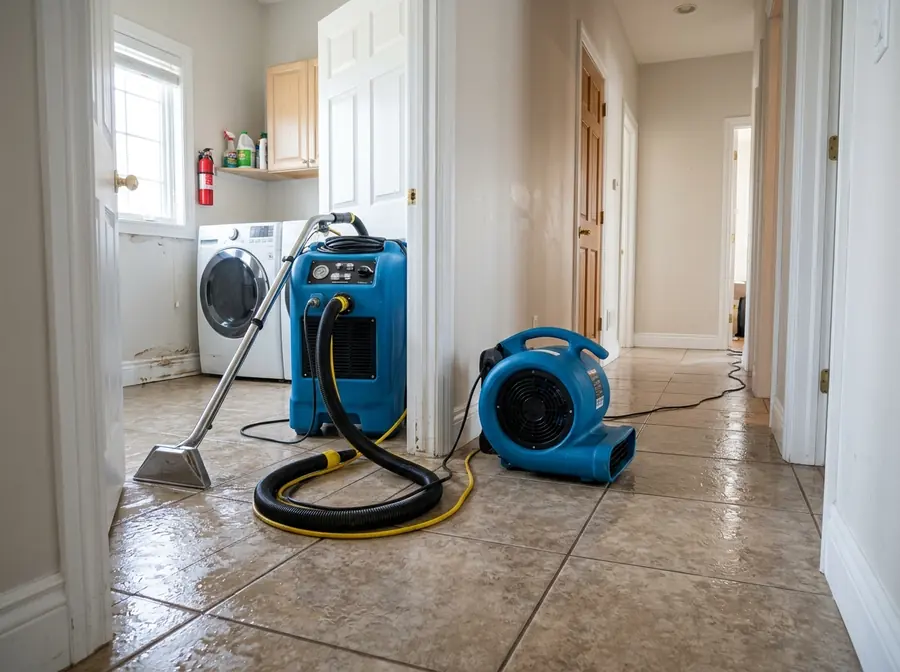
What water damage restoration involves
Restoration is more than removing a puddle. A complete response may involve identifying the source, assessing whether the water could be contaminated, extracting standing water, checking affected materials, setting up controlled drying, monitoring moisture, and deciding whether damaged materials need removal. The appropriate work depends on the building and the circumstances of the loss.
Water may remain in carpet backing, padding, subflooring, baseboards, drywall, insulation, framing, and cabinet materials after the surface looks dry. Some materials can be dried in place; others may need removal because they are contaminated, deteriorated, or inaccessible for effective drying. A responsible contractor should explain the basis for each decision and avoid promising that every material can be saved.
Common causes of water damage in White Settlement
Plumbing leaks and pipe failures
Supply lines, shutoff valves, fittings, drain connections, and concealed pipes can leak suddenly or gradually. A failed pipe may release water into a wall or ceiling, while a slow leak can affect cabinets and flooring before it is noticed. If a valve is safely accessible, turning it off may limit further water. A licensed plumber should repair the plumbing system; restoration professionals address the moisture and damaged building materials.
Appliance and fixture failures
Washing machines, dishwashers, refrigerators with water connections, water heaters, toilets, tubs, and sinks can leak or overflow. Water may move beneath a cabinet or into an adjoining room. Check the nearby floor and, where relevant, the ceiling below. Do not operate a damaged appliance or move heavy equipment through standing water.
Roof and exterior intrusion
Damaged shingles, flashing, roof penetrations, window seals, and exterior joints can allow rain to enter. Water may follow framing before appearing as an interior stain. A qualified roofer or building-envelope contractor should correct the exterior opening. Restoration can then address the interior moisture and materials affected by the intrusion.
Water and wastewater system concerns
The City of White Settlement's Public Works Department describes responsibilities for municipal infrastructure and utilities, including water and wastewater operations. The city explains that its Water Division maintains water lines, wells, hydrants, valves, and service connections, while its Wastewater Division maintains and repairs the collection system. These public utility responsibilities are distinct from private plumbing repairs and interior restoration. A municipal service concern should be reported through the city's current official channels; a leak inside a building may require a plumber and restoration provider.
What to do immediately after water enters a property
- Keep people safe. Do not enter standing water if electrical outlets, appliances, wiring, or a service panel may be affected. Stay clear of suspected electrical hazards and contact the appropriate emergency or utility professional.
- Stop the source only if safe. Turn off an accessible valve if it can be reached without entering a hazardous area. Arrange a licensed plumber for a pipe or fixture failure.
- Avoid contaminated water. Sewage backups and outdoor floodwater may contain contaminants. Do not touch the water or use household pumps and vacuums to remove it.
- Document the damage. Take photographs from a safe, dry location and record when the water was discovered, the likely source, and which rooms appear affected.
- Arrange professional assessment. A restoration visit can help identify the affected materials and drying needs. Plumbing, electrical, roofing, and structural repairs may require separate specialists.
Do not turn on fans or electrical equipment in a wet room, cut into walls, or pull up flooring to investigate. Hidden wiring, contaminated materials, and weakened building components can make these actions unsafe. Do not delay emergency response when there is an immediate threat to life or property safety.
Water extraction and moisture assessment
Water extraction removes standing water from accessible areas using methods suitable for the source and conditions. After extraction, the affected area may need further checks around floor edges, baseboards, cabinets, wall cavities, and ceilings below. Water can move beyond the visible puddle, so the inspection should consider adjacent materials and rooms.
Moisture assessment helps identify which materials may need drying or further inspection. Readings should be interpreted in context, including material type, room conditions, and comparison with unaffected areas. A single surface reading cannot establish that a concealed cavity or entire floor assembly is dry. Where moisture is suspected behind a wall or under flooring, the work plan should explain how that area will be evaluated.
Structural drying and dehumidification
After extraction, controlled airflow and dehumidification may help remove moisture from suitable building materials and indoor air. Equipment placement should be based on the affected rooms, materials, and environmental conditions. Monitoring helps show whether the drying plan is working and whether adjustments are needed. Drying time varies with the water volume, material type, temperature, humidity, and access to concealed spaces.
Some materials can be dried in place when conditions allow. Others may need removal because they are saturated, contaminated, deteriorated, or cannot be dried effectively. Decisions about drywall, insulation, carpet padding, flooring, cabinetry, and trim should be explained in the scope. A contractor should not make a blanket promise about what can be saved before inspecting the property.
White Settlement water and wastewater infrastructure
The City of White Settlement explains that it provides municipal water and wastewater services and maintains the public systems that deliver water and collect wastewater. Its Public Works information distinguishes water-line maintenance from wastewater collection-system maintenance. This can help residents identify when a problem may involve a city-operated utility rather than a private pipe or fixture.
That distinction is important, but it does not mean city crews perform private interior water extraction, drywall removal, or structural drying. A water-main or wastewater collection issue should be reported to the city using its current contact process. A leaking toilet supply, washing-machine hose, water heater, or interior drain may need a plumber. Water already inside a building may require a separate restoration assessment even after the source is stopped.
Water damage in White Settlement homes and businesses
Residential water losses can affect kitchens, bathrooms, laundry rooms, garages, bedrooms, and spaces below an upper-floor fixture. A property owner may need to coordinate plumbing repair, restoration access, contents protection, and communication with tenants or family members. If water has crossed into another unit or shared area, the inspection should consider the wider affected space.
Commercial properties may include offices, retail premises, restaurants, workshops, and storage facilities. Water can affect inventory, equipment, records, electrical systems, and customer access. Business owners should not move electrical or heavy equipment through wet areas. A restoration plan may identify work zones and coordinate with property management, plumbers, electricians, and other qualified professionals.
When water damage creates a mold concern
Materials that remain damp may support mold growth. A musty smell or visible discoloration after a leak deserves attention, but it does not identify a mold species or establish the full extent of the condition. Correcting the water source and checking affected materials are important first steps. If regulated mold assessment or remediation is required, the project must follow Texas licensing and role-separation rules.
Do not scrape or sand extensive suspected growth, and do not paint over damp materials. Avoid mixing cleaning products. Read our mold removal and remediation guide for general information about moisture control and Texas requirements.
Insurance documentation after a water loss
Contact your insurer or agent and ask what records and approvals apply. Photograph visible damage, record the date and likely cause, keep receipts for reasonable emergency expenses, and retain estimates and invoices. If a plumber or utility department has identified the source, keep that documentation as part of the claim record. Do not discard potentially relevant items before checking whether the insurer needs to inspect them, unless leaving them in place creates a safety concern.
Coverage depends on the policy wording, cause of loss, exclusions, limits, deductibles, and endorsements. Sudden plumbing failures, gradual seepage, sewer backup, surface water, and flood losses may be treated differently. Home Mold Water Fire Damage can explain observed conditions and work performed, but cannot guarantee claim approval. See our insurance claims help guide for general documentation suggestions.
How Home Mold Water Fire Damage approaches a White Settlement water loss
We begin by discussing the event and confirming whether the source has been controlled. After safe access is established, the team can inspect the affected areas, identify likely moisture pathways, and explain whether extraction, moisture checks, or structural drying may be appropriate. If the source involves a municipal utility, plumber, roofer, electrician, or other specialist, that responsibility should be clearly identified.
Our company has more than 13 years of restoration experience, trained technicians, professional equipment, and 24/7 emergency response. Each property has different materials and conditions, so the scope and duration vary. We aim to explain what is known, what remains uncertain, and how progress will be monitored.
Frequently asked questions about White Settlement water damage
Who handles a municipal water-main or sewer problem?
Contact the City of White Settlement through its current official Public Works or utility channels for municipal system concerns. A private interior plumbing leak may require a licensed plumber.
Does the city remove water from inside my home?
Municipal utility maintenance and private-property restoration are separate services. Interior extraction and structural drying require a separate assessment.
Can water hide beneath flooring?
Yes. Moisture may remain in underlayment, subflooring, carpet padding, or adjoining wall materials after the surface appears dry.
How long does water damage restoration take?
The time depends on the source, amount of water, materials, environmental conditions, and whether concealed areas need attention. A fixed timeline cannot be promised before inspection.
Will insurance cover the damage?
Coverage depends on the cause and policy terms. Ask your insurer and keep photographs, estimates, invoices, and other records.
Arrange water damage restoration in White Settlement
If water has affected your White Settlement property, keep people away from hazards, stop the source when safe, and document the visible conditions. Home Mold Water Fire Damage can discuss water extraction, moisture assessment, structural drying, and related restoration needs. Read our water damage restoration service guide, learn about burst pipe cleanup or appliance leak damage, and visit the White Settlement service-area page.
For service questions, use our contact page. For an immediate threat to life or safety, call 911.