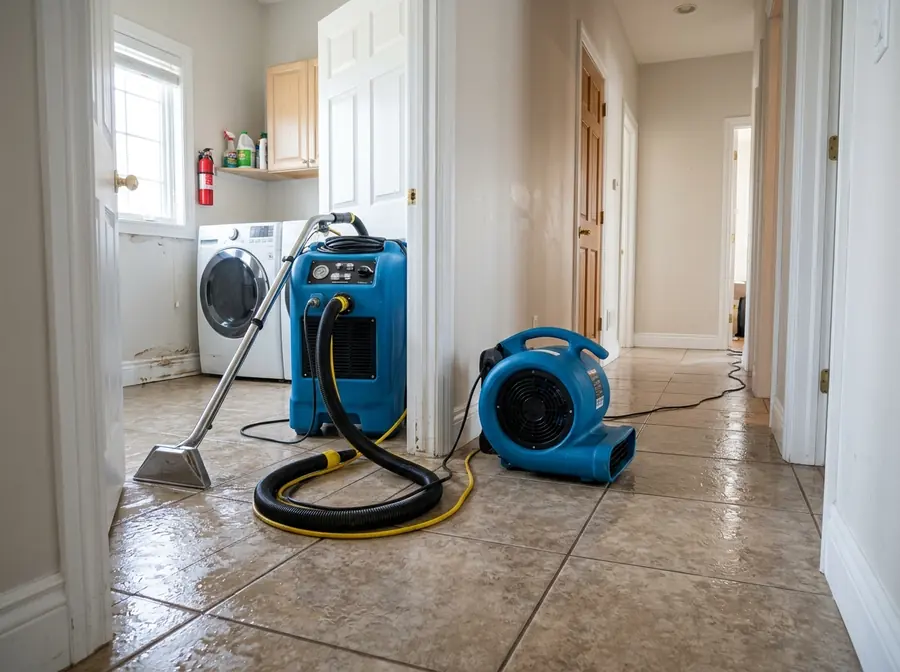
Why lower spaces can hold water and moisture
Water can reach a basement or crawlspace through several routes. A plumbing leak may occur below a bathroom or kitchen. A water heater, washing machine, or drain connection may release water in a utility area. Rainwater can enter through a window well, foundation opening, garage threshold, or other low point. Ground moisture may affect a crawlspace, while a sump pump or drainage component may fail during a period of heavy rainfall.
Not every damp crawlspace or basement has the same cause. The building's foundation design, grading, drainage, ventilation, plumbing layout, and maintenance history all matter. A musty odor can indicate persistent moisture, but it does not by itself identify the source or prove mold growth. Condensation on pipes or cool surfaces may be different from water entering through a foundation wall. The condition needs to be investigated at the property.
Haltom City is in northeast Tarrant County, where storms and periods of heavy rain can make property drainage worth monitoring. That general climate context does not establish that a specific neighborhood or parcel has a flood problem. Actual water entry depends on site grading, elevation, drainage infrastructure, construction details, and the event itself.
Safety before entering a basement or crawlspace
Do not enter standing water if electrical outlets, wiring, appliances, sump pumps, or panels may be affected. Never touch electrical equipment while standing on a wet floor. If the main power shutoff is in a dry, safe location and you know how to operate it, follow utility guidance; otherwise wait for qualified help. A basement may contain a furnace, water heater, electrical panel, or other equipment that makes water entry especially hazardous.
Crawlspaces can be confined, poorly ventilated, and difficult to exit. They may contain exposed wiring, sharp debris, pests, standing water, sewage, or structural hazards. Do not crawl into an enclosed area to operate a pump, move insulation, or inspect mold. If the water may be sewage or outdoor floodwater, avoid contact and keep people and pets away. If you suspect gas, structural movement, or another immediate hazard, leave the area and contact the appropriate emergency service or utility.
Do not use a household extension cord, fan, or pump in a wet area unless the electrical setup has been assessed as safe by a qualified person. Water removal equipment must be appropriate for the site and power conditions. Safety should not be compromised to start extraction sooner.
Identify the source before choosing a water removal method
Plumbing leaks and failed fixtures
Water from a pipe, water heater, laundry connection, or fixture can collect in a lower room or crawlspace. The plumbing source should be isolated and repaired by a licensed plumber when the work requires a plumbing license. Restoration can then assess the materials and remove the water. If the leak is concealed, the visible wet area may not show the complete path.
Rainwater and surface runoff
Rain may enter through a window well, door threshold, foundation penetration, or opening around a utility line. Exterior grading, downspouts, gutters, and drainage paths may influence where water travels. A roofing or drainage specialist may be needed to correct the exterior source. Do not assume that a single interior pump-out will prevent another event.
Sump pump or drain failure
Some properties rely on pumps or drainage components to manage water in a lower area. A failed pump, blocked discharge, loss of power, or malfunctioning float switch can allow water to accumulate. The pump and drainage system should be checked by a qualified professional. If water is near the pump's electrical connection, do not touch it.
Ground moisture and condensation
A crawlspace may remain damp because of ground moisture, poor drainage, ventilation conditions, plumbing condensation, or other building factors. The remedy depends on the cause. Adding a dehumidifier without addressing water entry or ground moisture may not solve the problem. A building professional can help determine whether drainage, vapor control, ventilation, insulation, or repairs are appropriate.
What professional water removal may involve
After access is confirmed safe, the affected space can be assessed for water depth, source, contamination, building materials, and equipment. Standing water may be removed using appropriate pumps or extraction tools. The method depends on the amount of water, the space, access, and whether the water is clean or contaminated. If sewage or floodwater is involved, the response requires different precautions from a clean plumbing leak.
Once visible water is removed, the work may involve checking floor framing, subfloor, insulation, foundation surfaces, stored items, and adjacent rooms. Some materials may be dried in place; others may be too damaged, contaminated, or inaccessible to retain. Insulation that has absorbed water may need special attention. Wood framing can require monitoring, and a subfloor may hold moisture beneath a finished floor.
In a crawlspace, work may require careful access planning and controls to avoid spreading debris or contamination into the occupied space above. A basement may require attention to wall finishes, stored belongings, mechanical equipment, and the route used to remove water. The project scope should explain what areas are included and what specialist work remains outside the restoration task.
Drying a crawlspace or basement after extraction
Drying enclosed spaces can take more than placing a fan near the access opening. Air movement, dehumidification, ventilation, and monitoring must be selected based on the building and moisture source. A crawlspace may have limited air exchange, and simply moving damp air toward the living space can create another problem. A basement may need equipment placed to reach wet materials while maintaining safe access and protecting electrical systems.
Technicians may use moisture meters and other appropriate tools to check framing, subfloor, wall materials, and other surfaces. Measurements need to be interpreted in context, including material type and location. A dry-looking surface does not confirm that the underside of a floor or a wall cavity is dry. Ask which materials are being checked and how the results guide the next stage.
Moisture control must address the source as well as the immediate wet condition. Depending on the property, that may involve plumbing repair, exterior drainage work, sump system repair, or changes to moisture management. Those tasks may require separate licensed trades or contractors. Our structural drying and dehumidification page explains the broader drying process.
Protecting stored belongings and building components
Basements and crawlspaces often contain boxes, seasonal decorations, tools, furniture, documents, photographs, and mechanical equipment. Items stored directly on the floor may be affected before the owner notices water. Photograph damaged belongings when safe, make a basic inventory, and separate wet items from clean property only if they can be moved without spreading contamination. Do not power on wet electronics or appliances.
Cardboard, paper, textiles, and upholstered items can absorb moisture. Some may be salvageable through appropriate specialist cleaning; others may be too damaged or contaminated. Items that contacted sewage or floodwater require particular caution. Ask your insurer whether it wants to inspect belongings before disposal, except where immediate health or safety concerns require removal.
Building materials can also be affected. Wet insulation, subfloor, joists, drywall, and stored construction materials should be assessed before the space is closed up again. Do not install new flooring or insulation over materials that have not been checked. If the building may contain asbestos or lead-based paint, do not disturb suspect materials without specialist advice.
Mold concerns in lower and enclosed spaces
Persistent moisture can support mold growth on wood, paper-faced drywall, stored cardboard, insulation, and other materials. A musty smell may indicate dampness, but odor alone cannot identify the source or determine the extent. The moisture condition should be investigated, and visible growth should not be aggressively disturbed. Keep people away from extensive or concealed growth until the appropriate professional has assessed it.
In Texas, regulated mold assessment and remediation activities have separate licensing and role requirements. A person or company may hold credentials in both areas, but the same project cannot be handled by the same licensed party in both regulated roles where the law prohibits it. Ask which licensed assessor and remediator will be responsible, whether a protocol is required, and what project documentation will be provided. See the mold removal and remediation hub and the TDLR program.
Basement and crawlspace water in Haltom City
Haltom City coverage centers on ZIP code 76117 and the neighborhoods and areas listed in the repository: Browning Heights, Browning Heights East, Browning Park, Diamond Oaks, Diamond Oaks East, Diamond Oaks North, Fossil Beach, Fossil Ridge, Fossil Springs, Fossil Village, Haltom Acres, Meadow Oaks, North Eastridge, Oak Knoll, Oakview, Shady Dell, West Browning, Alta Vista Acres, Eastcliff, Eastridge, Golden Gardens, Heritage Village, Park View Hills, Springlake Park, The Trails, and Tri-County Estates.
Local features such as Big Fossil Creek, Little Fossil Creek, and White's Branch provide geographic context, but proximity to a waterway does not establish the flood risk of a specific property. A basement or crawlspace can become wet because of plumbing, drainage, condensation, or a local storm regardless of its distance from a creek. The exact parcel, building design, and water source matter.
Home Mold Water Fire Damage's supplied service area also includes North Richland Hills, Hurst, Bedford, Colleyville, Fort Worth, Arlington, Burleson, Roanoke, Haslet, and other listed communities. Check the service areas page for the coverage list, and provide the exact property address when asking about availability.
Insurance considerations for basement and crawlspace water
Insurance treatment can depend on whether the water came from a sudden plumbing failure, surface flooding, seepage, groundwater, a sump pump issue, or another source. Some policies cover certain sudden and accidental internal water losses but exclude flood or gradual seepage unless separate coverage or endorsements apply. A policy may also contain specific limitations for basements, drains, sump pumps, or water backup. Read the actual contract and ask your insurer to explain the relevant terms.
Document the source, affected materials, and belongings with photos when safe. Keep plumber or pump-service reports, invoices, and receipts for reasonable temporary measures. Ask before discarding items that may need inspection, unless they pose a sanitation or safety risk. Restoration companies can document the physical mitigation work, but cannot guarantee that the insurer will approve coverage. Our insurance claims help guide explains the records to keep.
Questions about basement and crawlspace water removal
Can I enter a flooded crawlspace to turn on a pump?
No. Do not enter a wet or confined space where electrical hazards, sewage, poor air, or structural risks may be present. Arrange qualified assistance.
Does a damp crawlspace always need a dehumidifier?
Not necessarily. The cause may involve drainage, ground moisture, plumbing, ventilation, or other building conditions. Equipment should be selected only after the source and space are assessed.
Can water under the floor cause damage upstairs?
Moisture in a crawlspace can affect subfloor and framing and may contribute to indoor moisture conditions. The actual impact depends on the building assembly and how long materials remain damp.
Will a sump pump solve every basement water problem?
No. A pump may be one part of a drainage strategy, but it will not repair plumbing leaks, foundation openings, roof runoff issues, or every groundwater condition. Have the source assessed.
How do I know if mold is present?
Visible growth, recurring dampness, or musty odor can justify further evaluation, but odor and color do not identify mold species or the full extent. A qualified assessor can advise whether an assessment or testing is appropriate.
Discuss basement or crawlspace water with Home Mold Water Fire Damage
If water has entered a lower room or crawlspace at your Haltom City property, keep clear of unsafe areas and do not attempt to operate electrical equipment in wet conditions. Contact Home Mold Water Fire Damage to discuss the source, access, and visible impact. Our team has more than 13 years of restoration experience, trained technicians, professional equipment, and 24/7 emergency response.
For related services, visit the water damage restoration hub, learn about our restoration process, or use the contact page to discuss the next step.