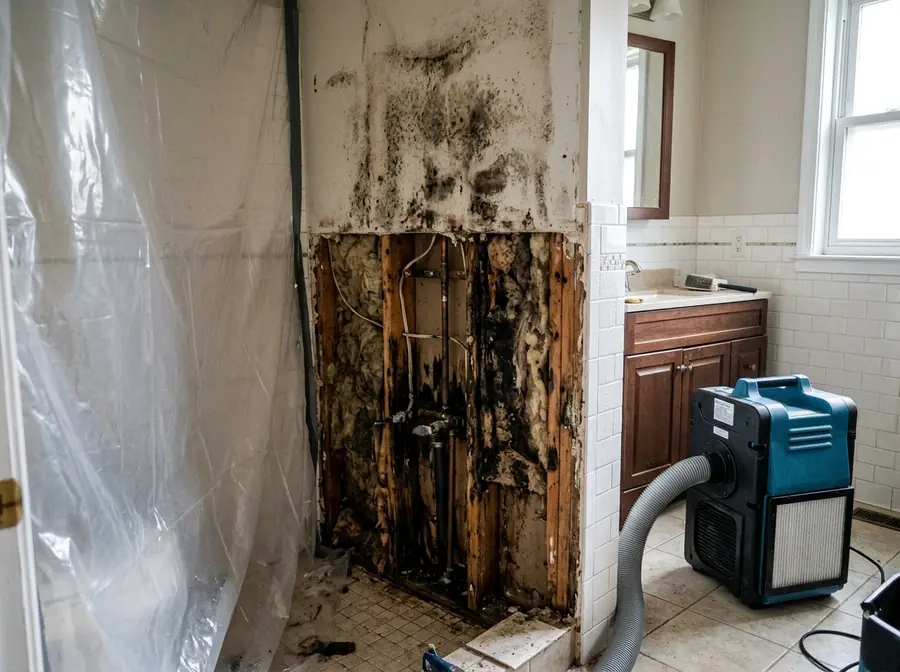
Does black-colored growth mean toxic black mold?
No. Mold color is not a reliable way to identify a species or determine toxicity. Several types of mold can appear black, dark green, gray, or brown, and appearance can change with the material and growing conditions. A photograph or visual description cannot establish the species or predict a person's health response.
Some people use the phrase “black mold” to refer to Stachybotrys chartarum, but not every dark patch is that species. Even when a particular species is identified by laboratory analysis, the result does not replace an evaluation of the moisture source, building materials, and extent of the problem. The Centers for Disease Control and Prevention and EPA emphasize moisture control and appropriate cleanup rather than trying to classify every indoor mold by color.
Do not let alarming labels or claims about a particular species pressure you into unnecessary testing or treatment. A credible professional should explain what is known, what remains uncertain, and which actions are justified by the visible conditions and moisture history.
Where dark mold-like growth may appear
Dark spotting can develop anywhere a surface stays damp. Common locations include bathroom ceilings, shower grout, areas below leaking sinks, window frames, utility closets, laundry spaces, attic sheathing, crawl-space framing, and drywall affected by a roof or plumbing leak. Growth may also occur behind furniture placed against a cool exterior wall where condensation repeatedly forms.
In some cases, visible growth is only part of the issue. Moisture may extend behind drywall, under flooring, into insulation, or around plumbing penetrations. A musty smell without an obvious patch can be a reason to investigate possible hidden moisture, but odor alone does not identify a species or confirm the full extent of growth.
For location-specific information, see our pages about bathroom mold removal, attic mold removal, and crawlspace mold remediation.
Why moisture control is the foundation of mold remediation
Mold needs moisture to grow. If a pipe continues to leak, a roof opening remains exposed, a bathroom fan does not vent outdoors, or humid air condenses on a cold surface, growth may return after the visible material is cleaned. Effective remediation therefore includes identifying and correcting the water or moisture condition, not simply applying a chemical to a stained surface.
Possible sources include plumbing leaks, appliance connections, roof penetrations, damaged flashing, overflowing fixtures, condensation, drainage problems, and humid crawl spaces. The source may require a plumber, roofer, HVAC professional, building contractor, or drainage specialist. Restoration work should not be treated as a substitute for repairs that belong to a licensed trade.
EPA guidance explains that hard surfaces can often be cleaned with detergent and water and dried completely, while porous materials such as ceiling tiles, carpet, and some drywall may need removal when moldy because growth can penetrate spaces that are difficult to clean. Painting over mold or leaving wet materials in place does not resolve the underlying problem. See the EPA's basic mold cleanup steps.
When professional mold remediation may be appropriate
Professional help may be appropriate when growth is extensive, appears in multiple areas, involves porous building materials, follows a sewage or flood event, is concealed inside a building assembly, or keeps returning after the moisture source has supposedly been corrected. A professional may also be appropriate when the work could disturb large amounts of contaminated material or when the property contains occupants who need additional precautions.
Texas regulates mold assessment and remediation through TDLR. Depending on the size, building type, exemptions, and work being performed, the project may require licensed companies and individuals, a mold assessment, a remediation protocol, notification, and post-remediation assessment. The rules are specific; a general statement that a project is “small” should not be used to bypass requirements that apply to a licensed contractor or company.
Assessment and remediation roles must remain separate on the same project under Texas law, except for the narrow school-district exception. A licensee may hold both kinds of credentials but cannot perform both roles on the same project. Property owners can verify current licenses and read the TDLR mold FAQ before authorizing work.
What a careful black mold remediation project can involve
The exact plan depends on the assessment findings and applicable rules. Where a formal assessment and protocol are required, an appropriately licensed and independent mold assessor establishes the project criteria. A qualified remediation contractor then performs the work according to the applicable requirements and protocol.
Work-area preparation and containment
Containment may be used to limit the movement of dust and debris from the affected area into other parts of the property. The size and design depend on the work area, building layout, and project conditions. Occupants should follow instructions about access and should not enter a controlled work zone without authorization and appropriate protection.
Removal of affected materials
Some nonporous surfaces may be cleaned, while mold-affected porous materials may need controlled removal. Drywall, insulation, carpet, ceiling materials, and other absorbent products can be difficult to clean fully if growth has penetrated them. Removal should be limited to the materials that need it and carried out with attention to utilities, structural components, and possible hazardous building materials.
Cleaning and debris handling
Remaining surfaces may be cleaned using methods suited to the material and project protocol. Dead mold is not automatically harmless or removed; particles and contaminated dust still need to be managed. The goal is physical removal and appropriate cleaning, not a promise to sterilize the property or eliminate every naturally occurring spore.
Moisture correction and drying
The underlying leak or humidity condition must be corrected. Wet materials may require extraction, drying, dehumidification, or replacement. Moisture checks help determine whether materials are returning to appropriate dry conditions. If a plumbing, roofing, or HVAC defect caused the problem, the appropriate trade should complete that repair.
Post-remediation review
Where required by the project, an independent licensed mold assessor may perform post-remediation assessment against the established criteria. Documentation should identify the work completed and the status of the project. No responsible contractor should guarantee that all mold spores have been eliminated from indoor air.
What not to do when you find dark mold-like spots
- Do not scrape, sand, or dry-brush a large or uncertain area.
- Do not paint or caulk over growth in an attempt to hide it.
- Do not mix bleach with ammonia, acids, or other cleaning products.
- Do not run HVAC equipment if you suspect the system is contaminated.
- Do not open walls or remove insulation if older materials may contain asbestos or lead.
- Do not assume a mask or household cleaner makes extensive cleanup safe.
If the affected area is limited and you are considering routine cleaning, follow public-health guidance and avoid exposing others. For extensive or hidden growth, contaminated water, or uncertainty about the material, consult an appropriately qualified professional. If anyone has health concerns, speak with a healthcare professional rather than relying on a contractor to diagnose symptoms.
Black mold concerns in Haltom City homes and businesses
Properties in Haltom City may experience indoor moisture from plumbing leaks, roof leaks, air-conditioning condensate, bathroom humidity, appliance failures, or water intrusion during storms. The same dark patch can have different causes in different buildings. The useful response is to inspect the actual location, determine whether moisture is active, and select a plan that fits the materials and regulatory requirements.
Home Mold Water Fire Damage serves Haltom City, including the 76117 area, and nearby communities listed on our service areas page. We can discuss remediation needs and help explain when an independent licensed mold assessment professional or specialist trade should be involved. We do not identify mold species from color or promise a health outcome.
Frequently asked questions about black mold removal
Is all black mold toxic?
No. Color does not identify a species or establish toxicity. A visual inspection cannot determine the exact type of mold.
Do I need a lab test to remove black mold?
Not automatically. Testing should have a defined purpose and be recommended by an appropriately licensed assessor when it is useful for the project. Visible growth and moisture may already show that corrective action is needed.
Can I kill black mold with bleach?
Bleach is not a universal solution for mold remediation. Cleaning and physical removal must suit the surface, and the moisture source must be corrected. Never mix bleach with other cleaners.
Can black mold grow behind drywall?
Yes. Moisture from a leak or condensation can affect the back of drywall and materials inside a wall cavity. Investigation should be performed carefully.
Will mold return after professional removal?
It can return if moisture remains or develops again. A complete plan addresses the cause of dampness as well as affected materials.
Does Texas require a mold remediation license?
Texas licensing requirements depend on the activity, project size, building type, and applicable exemptions. TDLR regulates mold assessment and remediation. Verify the requirements for your project and the current license status of the professionals involved.
Talk with Home Mold Water Fire Damage about suspected mold
If you have dark mold-like growth or recurring moisture at your Haltom City property, contact Home Mold Water Fire Damage to discuss the condition and possible next steps. Our team offers 24/7 emergency response and more than 13 years of restoration experience. We can help you understand remediation options and when a separate licensed assessment or trade professional is needed.
Visit our contact page or read more about our mold removal and remediation services.