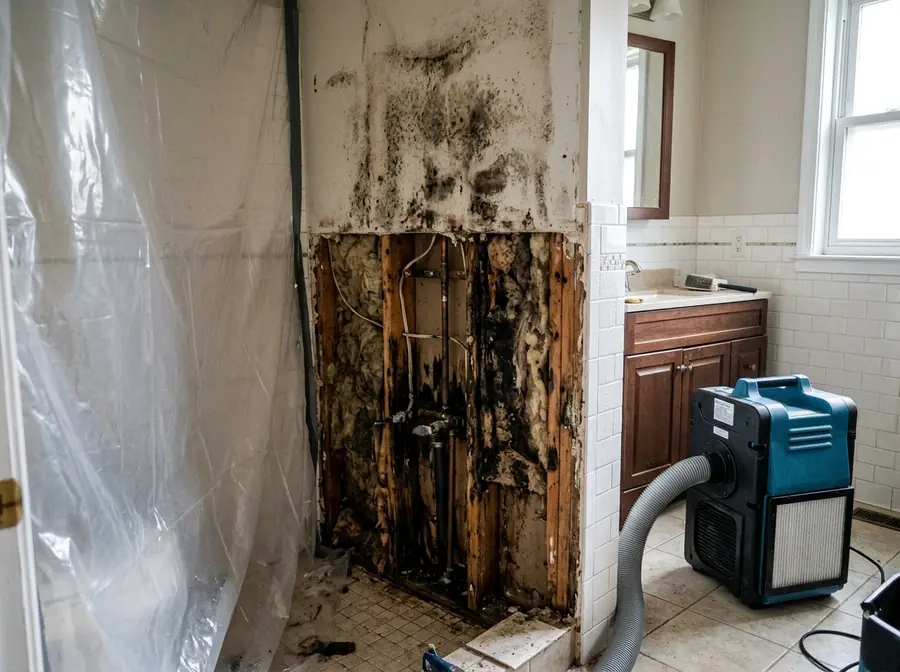
What mold remediation is intended to accomplish
Mold is present in the natural environment and spores can enter buildings through ordinary air movement. Indoor growth becomes a building concern when moisture remains available on materials such as drywall, wood, insulation, carpet, paper products, or furnishings. The practical goal of remediation is to address the moisture source and manage affected materials using a suitable work plan. Simply spraying a visible patch or painting over it does not correct a leak or remove contamination that may be inside a porous material.
A project may involve assessment, defining the affected areas, selecting containment measures, cleaning suitable surfaces, removing materials that cannot be restored, packaging debris, and evaluating whether the work has met the stated completion criteria. The specific steps depend on the property, the materials, the amount of visible growth, and the Texas rules that apply. A responsible provider should explain what is included and what requires another professional.
Moisture conditions that can affect Benbrook buildings
Leaks from plumbing and fixtures
Water can escape from supply lines, shutoff valves, drain connections, toilets, showers, tubs, and concealed pipes. A leak behind a vanity or inside a wall may continue without producing a large puddle. The visible mark may appear some distance from the original opening because water can follow framing or floor layers. A licensed plumber should correct the plumbing defect; remediation should address affected materials after the moisture source has been controlled.
Roof, flashing, and window problems
Rain may enter through damaged shingles, roof penetrations, flashing, poorly sealed windows, or other exterior openings. Water can travel through an attic or wall assembly before it becomes visible indoors. A roofer or qualified building-envelope contractor may be needed to repair the exterior condition. Treating the interior surface without addressing the opening can allow the moisture problem to return.
Condensation and HVAC drainage
Air-conditioning condensate lines, drain pans, ducts, and poorly insulated surfaces can contribute to recurring dampness. A qualified HVAC technician should assess equipment or duct problems. Dehumidification can help manage indoor humidity in appropriate circumstances, but it does not repair a blocked condensate line or a leak that continues to wet materials.
Private drainage and stormwater
Benbrook's stormwater information explains that city drainage maintenance is limited to flood-control and prevention work, and that many drainage areas such as creeks are on private property. The city also identifies property-owner responsibilities for certain vegetation and erosion-control conditions. This is useful context when investigating exterior moisture, but it does not establish the cause of a damp wall or floor inside a specific building. The actual source may be private grading, roof drainage, plumbing, or another condition.
Signs that may justify a mold assessment
- Visible growth or recurring discolouration on drywall, wood, trim, ceilings, or furnishings.
- A musty smell that returns after the area has been aired or cleaned.
- Paint blistering, wallpaper lifting, or flooring changes after a leak or overflow.
- Repeated condensation around windows, ductwork, or plumbing fixtures.
- Past water damage where the condition of concealed materials is unknown.
- Moisture in a crawlspace, attic, utility closet, or other area that is difficult to inspect.
These signs are not a diagnosis. Colour does not reliably identify a mold species or determine health risk. A photograph cannot establish how far growth extends behind a wall or beneath flooring. If the affected area is extensive, hidden, recurring, or associated with contaminated water, avoid disturbing it and arrange an appropriate professional evaluation.
What Benbrook property owners should do first
- Keep occupants away from the affected area. Do not allow children or pets to touch damaged materials or enter a work area that may be contaminated.
- Do not disturb extensive growth. Avoid sanding, scraping, dry brushing, or removing materials yourself. Disturbance can spread particles and expose hidden conditions.
- Identify the likely moisture source safely. Note nearby plumbing, roof, window, appliance, or HVAC issues. Do not enter unsafe attic, crawlspace, or electrical areas.
- Record the history. Photograph visible conditions and note when moisture was first observed, previous leaks, repairs, and any recurring dampness.
- Ask about Texas licensing. Confirm whether the project requires regulated assessment or remediation and verify the relevant company and individual credentials through TDLR.
Do not mix bleach with ammonia, acids, or other cleaning products. Avoid applying a household spray as a substitute for correcting moisture and managing affected materials. Do not paint over growth or damp surfaces. The correct cleaning or removal decision depends on material porosity, the extent of damage, and the applicable work protocol.
Texas rules for mold assessment and remediation
The Texas Department of Licensing and Regulation regulates mold assessment and mold remediation activities. Assessment can include inspecting or surveying a building to provide information about mold or develop a remediation plan. Remediation involves removal, cleaning, sanitizing, or other treatment of mold or mold-contaminated matter. TDLR maintains distinct credential categories for assessment companies and professionals and for remediation companies, contractors, and workers.
TDLR explains that a person or company may hold both types of license if the requirements are met, but generally cannot conduct both regulated assessment and remediation activities on the same project. A narrow exception applies to certain school-district projects; it is not a general exception for homes, rentals, or ordinary commercial properties. The Texas Attorney General also explains the importance of independent assessment and remediation roles and the need to use properly licensed professionals where the law applies.
Before authorizing work, ask who will perform the assessment, who will perform remediation, which company holds the relevant credential, and how the roles will remain separate. Depending on the project, documentation may include an assessment report, remediation protocol, work plan, notices, and a Certificate of Mold Damage Remediation. Ask the professionals involved which records apply to your project and keep copies with your property documents.
Assessment, protocol, and work planning
An assessment helps establish the scope and may identify rooms, materials, and conditions requiring attention. A protocol can describe the intended remediation approach and criteria for evaluating completion. The remediator then prepares and follows a work plan consistent with the requirements that apply. These documents should be specific enough to explain what will be cleaned, what may be removed, how the work area will be controlled, and what completion evidence will be provided.
Concealed conditions can change the scope. If opening an assembly reveals additional damp or affected materials, the contractor should explain the finding and how the revised work will be handled. Do not assume that an initial visual inspection has identified every hidden area. If the project requires independent assessment or a revised protocol, that should be addressed before additional regulated work proceeds.
Containment and material handling
Containment may be appropriate when work could disturb affected materials and move dust or debris into other parts of an occupied building. The design depends on the location, size, materials, and work method. Technicians may use protective equipment, controlled removal methods, and appropriate packaging. Occupants should follow access restrictions and should not enter containment areas to check progress.
Nonporous materials may sometimes be cleaned when the surface and condition allow. Porous materials such as damaged drywall, insulation, carpet padding, and some composite products may need removal if contamination has penetrated them or if they cannot be effectively cleaned. The decision should be supported by the project scope and material condition. No contractor should promise that every item can be saved or that every affected material must be discarded without inspection.
Mold concerns in homes, rentals, and commercial properties
Benbrook properties include detached homes, rental units, apartments, offices, and commercial spaces. A bathroom leak may affect the wall behind a vanity, while a roof leak can wet attic insulation and ceiling materials. In a rental property, tenants and owners may need to coordinate access, maintenance records, and communication about repairs. In a commercial property, the plan may need to consider shared ventilation, neighbouring suites, inventory, and safe separation of work areas.
Property managers should record the reported location, dates, known moisture events, and any repairs already attempted. If several rooms or units may be connected by a shared system, a professional should consider the wider building context. Treating one visible patch without understanding the source may leave a recurring problem unresolved.
Preventing a repeat moisture problem
Correct the source rather than repeatedly treating the visible surface. Repair plumbing leaks, maintain roof and window details, keep condensate drains functioning, and address exterior drainage concerns with the appropriate professional. After water damage, arrange timely drying and verify concealed materials when necessary. Keep records of repairs and any assessment or remediation work.
Ventilation and humidity control can help with some condensation problems, but they do not fix a plumbing leak, roof opening, or water intrusion condition. A portable dehumidifier is not a substitute for source correction. If dampness returns, investigate why rather than applying another surface treatment.
Insurance and mold remediation records
Contact your insurer to ask whether the suspected cause and proposed work fall within your policy. Keep photographs, repair records, assessment reports, protocols, contracts, invoices, and any completion certificate that applies. Coverage can differ for sudden water damage, long-term seepage, maintenance issues, floodwater, and mold-related expenses. Policy wording, exclusions, limits, endorsements, and the insurer's decision determine the result.
Home Mold Water Fire Damage can explain observed restoration conditions and work performed within its scope, but cannot guarantee insurance payment. For general documentation suggestions, read our insurance claims help guide.
How Home Mold Water Fire Damage approaches mold concerns in Benbrook
We begin by discussing the moisture history, visible conditions, and any previous repair attempts. The next step is to identify what professional assessment is appropriate and whether the work falls within Texas mold rules. If regulated remediation is required, it should follow the applicable protocol and be completed by properly licensed professionals while keeping assessment and remediation roles separate as required. The exact work depends on the building and materials.
Our company has more than 13 years of restoration experience, trained technicians, professional equipment, and 24/7 emergency response. We aim to explain the source-control needs, the limits of a visual inspection, the required credentials, and the work that may be involved. We do not diagnose medical conditions, identify species by colour, or promise that mold will never return.
Frequently asked questions about Benbrook mold remediation
Does the city remove mold from private buildings?
Municipal public works and drainage responsibilities are different from private indoor mold assessment and remediation. Property owners should arrange the appropriate building professionals for an interior moisture problem.
Can the same person assess and remediate the same project?
TDLR generally prohibits a licensee from performing both regulated activities on the same project, subject to a narrow school-district exception. Confirm who is responsible for each role.
Can I identify harmful mold by its colour?
No. Colour is not a reliable way to identify species or assess health risk. A proper evaluation considers the building and moisture conditions.
Will a dehumidifier stop mold growth?
It may help manage humidity in suitable conditions, but it will not repair a leak or remove affected materials. Correct the source first.
Does insurance pay for mold remediation?
Coverage depends on the cause of loss and the policy. Ask your insurer and retain the project documentation.
Arrange mold removal and remediation in Benbrook
If you have recurring dampness, visible growth, or a mold concern following a water event, avoid disturbing the affected materials and arrange an appropriate assessment. Home Mold Water Fire Damage can discuss restoration needs for Benbrook properties. Read our mold removal and remediation service guide, learn about mold after water damage, or visit the Benbrook service-area page.
For service questions, use our contact page. Verify the current Texas credentials and role separation that apply before authorizing regulated mold work.