Water damage is more than the visible water
Water can affect a property in layers. Carpet and pad may hold moisture, hardwood can swell or cup, laminate may separate, and drywall can soften. Water can also travel behind cabinets, beneath flooring, into insulation, and through framing. A ceiling stain may appear away from the plumbing or roof problem that caused it. A surface that feels dry does not prove the material below it has returned to an appropriate condition.
Common sources include burst or leaking pipes, failed appliance hoses, water heaters, toilet and sink overflows, roof leaks, rain entering through openings, and sewer backups. The source determines the precautions required. Clean water from a supply line is different from wastewater or outdoor floodwater, which may contain contaminants. If the source is uncertain, explain that to the restoration provider and avoid treating the water as clean.
Commercial properties have additional considerations. Water may affect stock, machinery, computers, records, shared corridors, or tenant spaces. The restoration plan should consider the business's operating needs while keeping occupants away from unsafe or contaminated areas.
What to do when water enters your property
- Keep people safe. Move occupants away from active leaks, sagging ceilings, contaminated water, and electrical hazards.
- Stay out of electrically unsafe water. If water may have reached outlets, wiring, appliances, or the electrical panel, do not enter or touch equipment. Contact emergency services or a qualified electrical professional as appropriate.
- Stop the source only if it is safe. Use an accessible shutoff only when it can be reached without entering a hazardous area. Otherwise contact a licensed plumber, building manager, or utility provider.
- Record the event. Note when it began, where water appeared, the suspected source, and any steps already taken. Photograph conditions from a safe location.
- Notify the right parties. Contact your insurer, landlord, property manager, or facilities representative as appropriate.
- Explain the water category. Tell the restoration provider if the water came from a clean supply line, a drain, sewage, or outside.
Do not operate household fans, vacuums, or other electrical equipment in a wet area before hazards have been assessed. Do not disturb a bulging or sagging ceiling. Wet ceiling materials can become unstable, and water may be trapped above them.
How water extraction and structural drying are approached
Initial review and source control
A project begins by establishing the address, building type, source if known, affected rooms, time since discovery, and current safety conditions. The source must be stopped or repaired by the appropriate person. A restoration contractor may handle mitigation, but plumbing, roofing, electrical, HVAC, and structural repairs may require separate licensed trades. The scope should make these responsibilities clear.
Extraction of standing water
Where it is safe to work, extraction equipment may remove accessible standing water. The equipment and method depend on the volume, floor covering, water category, and access. Carpet, hard flooring, utility spaces, and lower-level areas present different challenges. Contaminated water needs appropriate protective measures and should not be moved into clean parts of the property.
Moisture checks and material decisions
Moisture measurements help identify wet materials and track whether drying is progressing. Readings must be interpreted in context because different materials and surfaces behave differently. The review may include flooring, baseboards, drywall, cabinets, framing, insulation, and contents. Some materials may be suitable for drying; others may need removal because of damage, contamination, or inability to dry effectively.
Drying and dehumidification
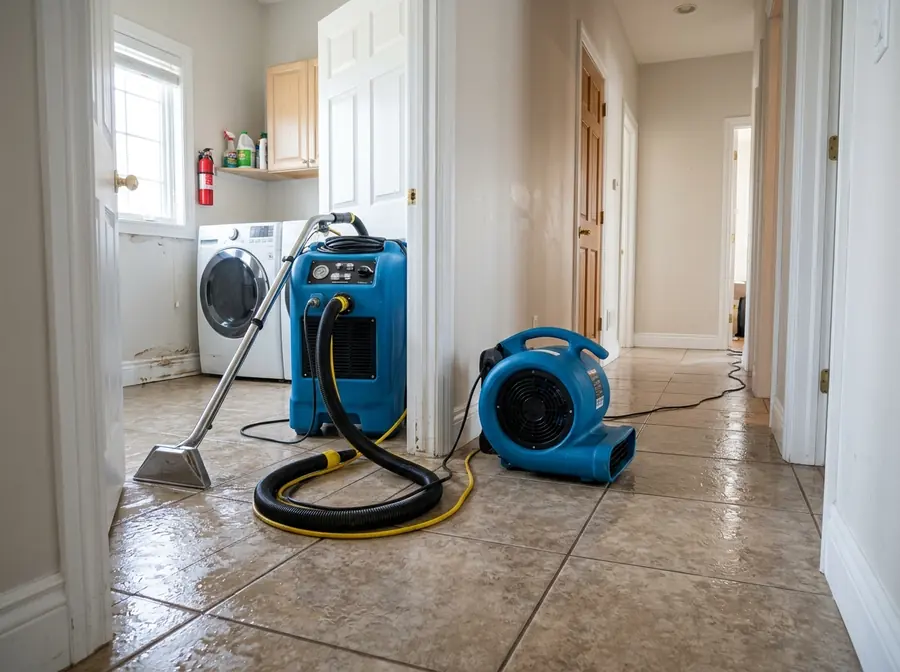
Professional drying may use air movement, dehumidification, and repeated monitoring. Equipment placement should reflect the affected rooms and the materials involved. The objective is to return affected building components to appropriate moisture conditions, not merely to make the room feel comfortable. Drying duration depends on the water volume, material thickness, access, indoor conditions, and whether the source has been repaired.
Cleaning, repair, and closeout
After mitigation, affected areas may require cleaning and repairs. Replacing drywall, flooring, insulation, cabinets, trim, or other finishes may require separate contractors and permits depending on the work. The property owner should understand what was extracted, what was dried, what was removed, and which repairs remain. A clear closeout discussion helps distinguish completed mitigation from reconstruction that is still outstanding.
Richland Hills public works and emergency context
The approved service-area inventory identifies Richland Hills ZIP code 76118 and areas including Richland Hills West, Richland Hills East, Richland Hills North, Richland Hills South, and Richland Meadows. These area names help residents describe their general location; they do not establish a specific property's drainage, elevation, plumbing condition, or flood history. A full address is needed to confirm service availability and identify the appropriate public authority.
Richland Hills Public Works describes its role in maintaining municipal infrastructure and utilities, including compliance with applicable federal and state requirements. The city provides a separate contact for after-hours public works emergencies such as water-main breaks and sewer problems. A suspected issue in a public main should be reported to the city. A private fixture, supply line, appliance, roof, or interior building component may require a plumber or other property professional.
The city's Emergency Management program describes mitigation, preparedness, response, and recovery as parts of its disaster-planning responsibilities. This public planning context is useful for residents preparing for severe weather, but it does not mean that a particular parcel is at a known level of flood risk. Local exposure varies with grading, drainage, elevation, building openings, and the weather event.
If water enters a home or business, identify whether the source is public or private where possible, document what is observed, and contact the appropriate parties. Some events may involve both a public infrastructure problem and damage to private building materials. The restoration scope should address the interior conditions without making unsupported assumptions about who is responsible for the source.
Common water-loss sources in homes and businesses
Plumbing failures
Supply lines, shutoff valves, faucets, toilets, tubs, and shower connections can leak slowly or fail suddenly. Water may collect beneath a vanity or move through a wall before becoming visible. A licensed plumber should correct the source, while the restoration review determines what materials became wet.
Appliance and water-heater leaks
Washing machines, dishwashers, refrigerators with water lines, and water heaters can release water when hoses, valves, fittings, or internal components fail. Water may spread under nearby cabinets or flooring. Tell the restoration provider which appliance was involved and whether the supply has been isolated.
Roof and exterior intrusion
Damaged roofing, flashing, vents, windows, doors, and exterior penetrations can allow rainwater to enter. Water may travel along framing before appearing on a ceiling or wall. A roofer or building-envelope professional may need to correct the exterior opening while the restoration team addresses interior moisture.
Drain and sewer backups
A blocked drain or sewer backup may introduce contaminated water into a bathroom, utility area, or lower floor. Avoid contact and keep people away. Do not use a household vacuum or fan to move the water. A plumber or municipal utility investigation may be needed to identify the source, and cleanup should follow contamination-aware procedures.
Planning restoration in occupied properties
In a family home, the plan may need to account for bedrooms, bathrooms, kitchen use, pets, children, and access to unaffected rooms. Ask which spaces can be used safely while drying equipment is operating. Keep occupants away from work zones and follow instructions about equipment, electrical circuits, and ventilation.
Tenants should report leaks promptly to the landlord or property manager and keep a record of the notice. Property managers may need to coordinate access, source repair, insurer communication, and communication with other residents. A leak affecting one unit can travel into another unit or a shared corridor, so the building review should consider the likely path of water.
Commercial properties may need a plan for inventory, machinery, electronic equipment, customer access, and records. The business should identify who can authorize work and which areas must remain operational. Food, medical, industrial, and other specialist premises may have additional sanitation or regulatory requirements.
Insurance records and water damage costs
Contact the insurer promptly and ask how to report the event, whether an adjuster needs to inspect, and what emergency work is authorized. Photograph the source and affected rooms when safe. Keep copies of repair invoices, restoration scopes, receipts, and communications. If the property is rented or commercial, confirm who is authorized to communicate with the insurer.
Coverage depends on policy wording, cause of loss, exclusions, limits, endorsements, and the insurer's decision. Sudden plumbing failures, gradual seepage, sewer backup, surface water, and maintenance issues may be treated differently. A contractor cannot guarantee coverage. Restoration cost varies with water category, affected area, materials, access, extraction needs, drying duration, contents, and repair scope. A site-specific review is more useful than a generic online price.
Related Richland Hills restoration services
- Fire and smoke damage restoration in Richland Hills — soot, odor, and firefighting-water concerns.
- Mold removal and remediation in Richland Hills — moisture-related growth after a leak or water event.
- Water damage restoration hub — extraction, drying, and related service information.
- Burst pipe cleanup — response to a failed plumbing line.
- Structural drying and dehumidification — monitoring building materials after extraction.
- Contact Home Mold Water Fire Damage — discuss the property and current availability.
Frequently asked questions about water damage in Richland Hills
Who should I call for a public water-main break?
Contact the city's Public Works or emergency contact for a suspected municipal water-main or sewer-system issue. A private plumbing failure inside the property may require a licensed plumber.
Can water travel under flooring?
Yes. Water can move below carpet, laminate, hardwood, and other floor coverings and may affect the subfloor or adjacent wall materials. A surface inspection alone may not show the full extent.
How quickly should wet materials be dried?
As soon as it is safe and practical. The EPA recommends drying wet or damp materials within 24 to 48 hours where possible to reduce mold risk. This is a prevention target, not a guarantee.
Should I use a household vacuum to remove water?
No. Ordinary household equipment is not designed for every water category or wet electrical environment. Stay clear of hazards and arrange suitable professional handling.
Does insurance pay for all water damage?
No. Coverage depends on policy language, the cause, exclusions, limits, endorsements, and the insurer's decision. Ask about the specific event.
Does Home Mold Water Fire Damage provide 24/7 response?
Home Mold Water Fire Damage offers 24/7 emergency response. Call to discuss the property and current availability; no fixed arrival time is promised.
Arrange water damage help in Richland Hills
If water has entered your Richland Hills home, rental property, or business, contact Home Mold Water Fire Damage to discuss the source, affected rooms, water category, and safety conditions. Our company brings more than 13 years of experience, trained technicians, professional restoration equipment, and 24/7 emergency response. We can explain the mitigation scope and identify when a plumber, roofer, electrician, city department, or other specialist should be involved.
For related local information, read our Richland Hills fire and smoke restoration page and Richland Hills mold remediation page, or visit the contact page.