Water damage in Sansom Park: why the source matters
Water can move through openings and along building materials. A leak beneath a kitchen sink may affect the cabinet base, flooring, and adjacent wall. A failed washing-machine hose may soak a laundry room and spread into a hall. A roof leak may stain a ceiling while water travels through the assembly. A bathroom overflow can wet a floor, baseboards, and nearby rooms. The location where water first appears may not be the only place that needs attention.
Materials react differently to moisture. Carpet and padding may retain water; wood can swell or change shape; drywall can soften or lose strength; insulation may become wet inside a wall; and flooring may conceal moisture beneath its surface. Tile and other hard finishes can have water below them or in adjoining assemblies. An assessment should consider the material, construction, water exposure, and whether the affected area can be dried or needs removal.
Water category is also important. A plumbing supply leak may be less contaminated than water from outside, a drain, or sewage. If water may be contaminated, keep away, avoid direct contact, and do not attempt cleanup with household tools. Appropriate protective equipment, handling, and disposal may be required.
Local service area and ZIP code 76114
The approved service-area information identifies Sansom Park North, Sansom Park South, North Beverly Hills, and the Lake Worth Drive area for Sansom Park, and associates the community with ZIP code 76114. These local names can help identify where a property is located when arranging a call. They do not establish a flood history or a particular moisture problem for an individual address.
Sansom Park and River Oaks both appear in the broader ZIP-code service geography. When planning a restoration visit, the exact street address, building type, affected rooms, and access conditions are more useful than relying on a ZIP code alone. A single-family home, rental unit, business, or multi-unit building may have different plumbing, drainage, layout, and authorization considerations.
For managed or rental properties, let the owner or property manager know about the water loss and confirm who can authorize inspection and work. In commercial or multi-unit settings, water may affect inventory, tenant spaces, shared systems, or adjoining rooms. Restoration planning should include the responsible parties and any access restrictions rather than assuming that the person making the call has authority for the entire property.
Common causes of water intrusion
Plumbing leaks and burst pipes
Water may escape from supply pipes, joints, valves, fixtures, drains, or concealed connections. A sudden failure can release a large volume of water, while a slow leak may remain hidden inside a wall or cabinet. If plumbing is involved, arrange repair by a qualified plumber. Restoration cleanup does not replace the work needed to repair a pipe or fixture.
Appliance leaks
Washing machines, dishwashers, refrigerators, water heaters, and other connected equipment can leak through hoses, seals, valves, or drain connections. A leak near an appliance can extend beyond the immediate footprint. Do not touch a wet appliance or its plug if electrical danger may be present; keep away and seek qualified help.
Bathroom and toilet incidents
Sink, tub, shower, or toilet overflows can wet flooring, walls, cabinetry, and nearby rooms. Water that has contacted sewage or other contaminants requires special precautions. Keep people and pets away and avoid direct contact. Do not assume that clear-looking water is safe if it came from a drain or overflow involving contamination.
Roof or exterior leaks
Rain can enter through damaged roof materials, flashing, window seals, exterior joints, or other openings. Water may travel through ceilings and walls before becoming visible. A roofer or qualified exterior contractor may be needed to correct the source, while restoration evaluates interior moisture and damage.
Water entering from outdoors
Rainwater and floodwater can bring soil, debris, and contaminants into a building. If water is rising, the property is unstable, or electrical hazards may exist, leave the area and contact emergency services or the appropriate utility. Do not enter floodwater to move belongings or operate equipment.
What to do first when water damage is discovered
- Make sure people are safe. Stay out of areas with standing water when electrical equipment, outlets, wiring, or appliances may be affected. If there is immediate danger, call emergency services.
- Stop the source if it can be done safely. An accessible shutoff valve may limit a plumbing leak, but do not attempt it if you must enter a hazardous area. Contact a plumber or utility when needed.
- Keep the affected area clear. Do not walk through contaminated water or move items that could be unsafe. Keep children and pets away.
- Avoid unplanned cleanup. Household fans, vacuums, or other electric devices may be unsafe in wet conditions and can spread debris. Use equipment only after the area is confirmed safe and the method is appropriate.
- Record the situation. If safe, photograph visible water and affected materials, note when it was discovered, and keep track of the steps taken to control the source.
- Notify the appropriate contacts. Inform the property owner or manager, insurer, plumber, or restoration provider as applicable. Ask about authorization and next steps.
Do not delay safety measures to collect photos or belongings. If the water may contain sewage, chemicals, or other contaminants, avoid contact and arrange appropriate professional handling. A property with electrical or structural hazards should not be entered for cleanup.
What professional water damage restoration may include
A restoration provider may begin by asking about the source, how long the water has been present, whether it is controlled, which rooms are affected, and whether any safety or access restrictions exist. The initial call helps establish context but does not replace an on-site evaluation. A photo may not reveal moisture beneath flooring or inside a wall.
Inspection and moisture evaluation
The technician may review visible conditions, inspect affected materials, use moisture-measuring equipment, and identify where further evaluation is needed. Readings should be interpreted in context of the material and building assembly. A scope should explain which locations were checked and any limitations, especially where concealed spaces cannot be evaluated without additional access.
Extraction of standing water
When the site is safe, accessible standing water may be removed using suitable extraction equipment. The equipment and approach depend on depth, flooring, water category, and the condition of the materials. Water that may be contaminated needs appropriate handling and can affect the cleanup plan.
Drying equipment and dehumidification
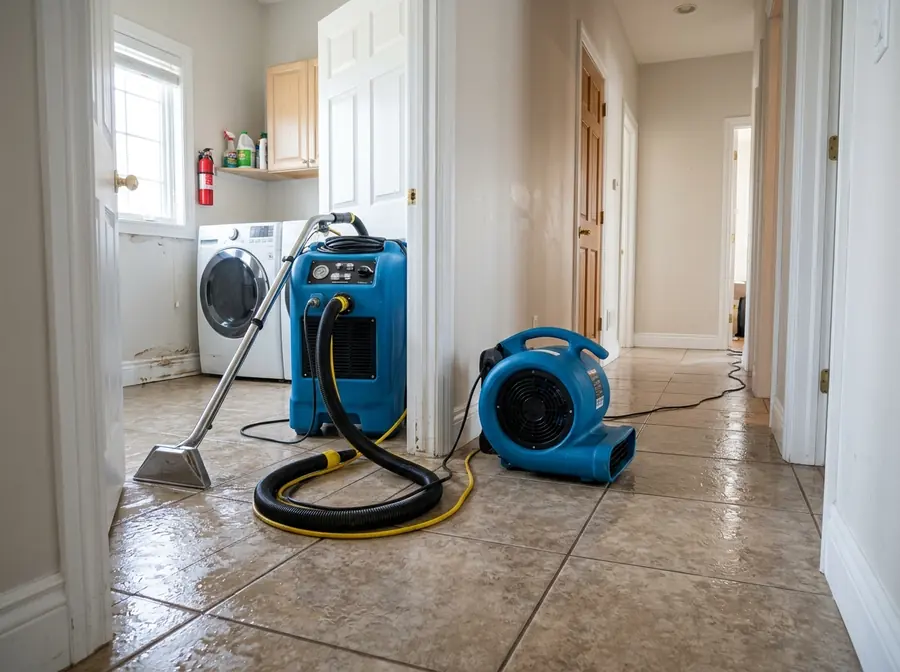
Restoration drying may use air movement and dehumidification to help remove moisture from materials and manage indoor humidity. Equipment placement depends on the affected rooms and materials. Technicians may monitor moisture over time and adjust the setup. The property owner should know what equipment is running, what areas need restricted access, and what noise or power considerations apply.
Material restoration or removal
Some materials can be dried and retained, while others may need removal if they are damaged, contaminated, or cannot be reasonably restored. The scope may address carpet, pad, flooring, baseboards, drywall, insulation, cabinetry, or contents. Ask the provider to explain the material-specific decisions and whether removal, disposal, and replacement are included or separate.
Monitoring and final review
Depending on the loss, the restoration team may return for moisture checks, adjust equipment, and document progress. Drying time depends on the source, material, conditions, and extent; it should not be guaranteed in advance for every property. Ask how the provider will explain completion and what records will be available.
Water damage in homes, rentals, and commercial buildings
Residential property: A water loss can affect floors, furniture, appliances, storage, and rooms used for daily living. Ask which areas are included in the scope and how unaffected belongings will be protected. Do not move heavy, wet, or potentially contaminated items without guidance.
Rental homes and apartments: Tenants should report the incident to the landlord or manager promptly and keep a record. Management may coordinate plumbing repair, restoration access, other units, and documentation. Confirm who can approve work before contractors begin.
Commercial property: Water can affect stock, equipment, records, staff spaces, customers, and operations. The scope should address access, safety, protection of contents, and coordination with the facility manager. Specialized equipment or building systems may need a separate professional evaluation.
Shared or multi-unit buildings: Leaks can travel between units or through shared spaces. Management may need to inspect adjoining areas and communicate with occupants. Restoration inside one unit may not be enough if the source is a shared pipe or another location.
Estimate, insurance, and documentation
Ask for a written scope that identifies affected areas, extraction, drying equipment, monitoring, material removal, contents handling, and tasks that are excluded. Clarify whether the estimate includes the plumbing or roof repair, electrical work, reconstruction, and finish replacement, or whether those are separate. If additional conditions are discovered, ask how changes will be explained and authorized.
Costs vary with the amount of water, contamination, materials, access, drying requirements, equipment, and whether demolition or contents work is needed. A meaningful estimate requires property-specific information. An insurer may require photographs, receipts, inspection, or other records. Coverage depends on policy wording, the cause, exclusions, limits, endorsements, deductible, and insurer decision. No restoration company can guarantee payment.
Keep copies of photographs, communications, invoices, temporary expenses, and work authorization. Ask whether damaged items should be retained for inspection before disposal, unless they present a safety or sanitation risk. Our insurance claims help guide explains general documentation practices.
Frequently asked questions about Sansom Park water damage
Is water from a plumbing leak always safe?
No. The water source, exposure, and contamination matter. Avoid contact with sewage, outdoor floodwater, or water of unknown quality. Qualified cleanup may be necessary.
Can water damage remain hidden under flooring?
Yes. Water can travel beneath floor finishes, into subfloor materials, or behind baseboards and cabinets. Moisture evaluation may be needed even if the surface looks dry.
Should I run fans to dry the room?
Do not use electrical equipment in wet or unsafe areas. Unplanned air movement may spread contaminants or debris. Wait until safety and the appropriate drying method have been assessed.
Does restoration repair the pipe or roof?
Water mitigation addresses resulting damage. Plumbing, roofing, and other source repairs may need separate qualified trades. Confirm what is included in your written scope.
Do you cover North Beverly Hills and Lake Worth Drive area?
The service-area list includes North Beverly Hills, the Lake Worth Drive area, Sansom Park North, and Sansom Park South. Call to confirm current availability for your exact address.
Will my insurer cover water restoration?
Coverage depends on your policy and cause of loss. Contact your insurer for instructions and keep records; a contractor cannot guarantee the outcome.
Contact Home Mold Water Fire Damage for Sansom Park water damage
If water has affected your Sansom Park property, explain the source if known, when it happened, which rooms are affected, whether the water is potentially contaminated, and whether the source is controlled. Home Mold Water Fire Damage has more than 13 years of experience, trained technicians, professional restoration equipment, and 24/7 emergency response. We can discuss water removal, moisture evaluation, drying, material decisions, and current availability for your address.
Visit the Sansom Park restoration services page, the main water damage restoration hub, or the contact page. For other restoration needs, see the local guides to fire and smoke damage restoration and mold removal and remediation.