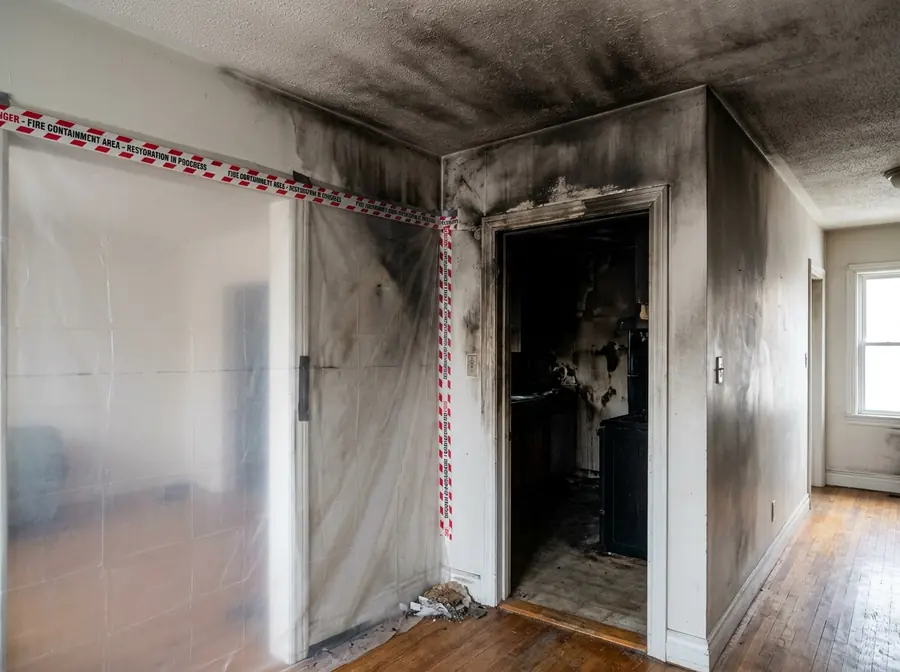
Do not delay safety checks after a sprinkler or firefighting event
Wait for the fire department or responsible authority to confirm when entry is allowed. Fire suppression may leave damaged ceilings, weakened framing, exposed wiring, broken glass, and unstable contents. Sprinkler water can reach electrical equipment, outlets, lighting, and mechanical systems. Do not touch wet electrical devices, operate appliances in affected areas, or enter standing water where electrical hazards may be present.
If the fire department has not released the building, follow its instructions. If you smell gas, see damaged utility equipment, or notice structural movement, keep away and contact the appropriate emergency service or utility. Electrical systems and fire protection equipment should be evaluated by qualified specialists before being returned to service. Do not shut down, drain, or modify a sprinkler system unless directed by the fire service or a qualified fire-protection professional.
Once access is permitted, photograph the visible water and fire damage. Record which sprinkler heads operated, which rooms were affected, and where firefighters used water if that information is available. Do not discard damaged materials before documenting them unless they present an immediate hazard.
How sprinkler water and firefighting water spread
Water does not necessarily remain in the room where it was released. It can flow along floor slopes, pass through doorways, collect beneath cabinets, enter wall cavities, move through ceiling openings, and reach lower levels. In multi-story buildings, water may travel through penetrations around pipes, electrical pathways, stairwells, and service shafts. The visible wet area may therefore be smaller than the full moisture-affected area.
Ceiling materials can absorb water and become heavy or unstable. Insulation may retain moisture above the ceiling. Wood framing and subfloors can remain damp after the surface appears dry. Carpet and pad can hold water, while laminate and engineered flooring may swell or separate. Cabinets can absorb moisture at their bases and inside joints. A moisture inspection helps identify concealed or less obvious areas that need attention.
Sprinkler water and hose water may also mix with soot, ash, debris, and other residues. The resulting cleanup can involve both water-damage and fire-damage procedures. If water has contacted chemicals, sewage, or unusual industrial materials, the affected area may require additional specialist assessment and appropriate handling.
What property owners should do while waiting for restoration help
- Keep people away from wet rooms where electricity, falling ceiling materials, or structural hazards may be present.
- Do not operate electrical equipment, switches, or appliances in wet or damaged areas.
- Do not use a household vacuum, fan, or dehumidifier until the area and electrical supply are confirmed safe.
- Move people and pets away from contaminated water or fire debris.
- Photograph damage from a safe location and make a basic list of affected rooms and contents.
- Contact your insurer and ask how it wants the loss documented and what emergency measures are authorized.
- Keep receipts for reasonable emergency expenses and retain relevant fire department or incident documentation.
Do not climb onto wet or damaged floors, remove ceiling materials, or attempt to access concealed spaces without appropriate training and safety precautions. Structural and electrical work should be left to qualified specialists.
Professional water extraction and structural drying after a fire
Once the site is safe to access, restoration work may begin with a review of the affected rooms, materials, and water pathways. Technicians identify visible standing water, wet building components, contents that need attention, and areas that may require further inspection. Moisture measurements can help establish where drying is needed and provide a basis for monitoring progress.
Where conditions allow, water extraction may be used to remove accessible standing water from floors and other suitable surfaces. The equipment and method depend on the material, depth of water, access, and contamination. Water trapped beneath cabinets, flooring, or other assemblies may require a different plan from water on an open hard floor.
Structural drying may involve controlled air movement, dehumidification, and repeated moisture checks. Equipment placement should account for fire residue, containment needs, electrical safety, and the building's condition. The goal is to reduce moisture in affected materials and monitor whether they are drying as expected. A fixed drying duration cannot be promised because materials, water volume, temperature, humidity, and construction vary.
Some materials cannot be dried in place or may be too damaged or contaminated to retain. Wet insulation, swollen composite materials, damaged ceiling components, and flooring assemblies may need selective removal and replacement. Demolition should be planned around utilities, structural elements, and any suspected asbestos- or lead-containing materials. Do not disturb those materials without appropriate assessment and controls.
Coordinating water cleanup with smoke and soot restoration
Fire suppression water is only one part of the loss. Smoke may have moved through the building, soot may be present on surfaces, and heat may have damaged finishes or components. If water extraction begins without considering soot and debris, work can spread residue or create additional cleaning needs. Conversely, cleaning smoke-affected surfaces before addressing wet materials may lead to rework.
A coordinated plan considers the order of safety clearance, documentation, contents protection, debris removal, water extraction, drying, soot cleaning, odor treatment, and repairs. The exact sequence changes with each property. For related information, visit our soot cleanup page, smoke odor removal page, and fire-damaged contents cleaning page.
Commercial buildings and multi-unit properties
In an apartment building, office, retail property, or other commercial space, sprinkler discharge can affect neighboring units or shared areas. Water may pass through ceilings, service spaces, corridors, and floor assemblies. Property managers may need to coordinate access, tenant communication, contents documentation, and specialist inspections. The restoration plan should distinguish the directly affected unit from any adjoining areas that require moisture checks.
Commercial systems may include larger sprinkler networks, fire pumps, alarm panels, specialized equipment, and business-critical electrical systems. Restoration technicians do not replace fire-protection contractors or electricians. A qualified fire-sprinkler professional should inspect and restore the suppression system, while licensed trade specialists address affected utilities and equipment.
Fire-related water damage in Haltom City
Home Mold Water Fire Damage serves homes and businesses in Haltom City, including the 76117 area, and surrounding communities listed on our service areas page. A residential sprinkler discharge, a commercial suppression event, and water used by firefighters can produce different patterns of damage. We assess the actual building conditions rather than assuming that every event requires the same equipment or scope.
Our team offers 24/7 emergency response for restoration needs. The timing and scope of work depend on safe access, the extent of damage, specialist requirements, and current site conditions. We do not promise a fixed arrival time, drying duration, or insurance outcome.
Questions about sprinkler and firefighting water damage
Does sprinkler water cause the same damage as a burst pipe?
Both can wet building materials, but a fire-related loss may also involve heat, smoke, soot, debris, and emergency access damage. Water pathways and contamination should be assessed in the context of the entire incident.
Can water travel to rooms below the sprinkler discharge?
Yes. Water may pass through floor assemblies, ceiling openings, utility penetrations, and other pathways. Lower levels and adjoining rooms may need moisture checks even if they do not look wet.
Should I turn off the sprinkler system?
Do not modify or shut down a fire protection system on your own. Follow the fire department's instructions and use a qualified fire-protection professional to inspect or restore the system.
How long does structural drying take?
There is no reliable one-size-fits-all timeline. Drying depends on water volume, material type, building construction, environmental conditions, and access. Moisture readings and inspection findings guide the process.
Can smoke odor remain after the water is removed?
Yes. Water extraction and drying do not remove all smoke residue or odor compounds. Soot cleaning and odor treatment may be separate parts of the restoration plan.
Will insurance cover the water damage?
Coverage depends on policy wording, cause of loss, exclusions, limits, and the insurer's decision. Document the event and ask your insurer how it handles fire suppression water damage.
Get help after sprinkler discharge or firefighting water
If sprinkler discharge or firefighting activity has left water in your Haltom City property, keep away from unsafe areas and follow emergency officials' instructions. Contact Home Mold Water Fire Damage to discuss the visible damage, affected rooms, and next steps once access is permitted. Our 24/7 emergency response and restoration experience can help you plan water extraction, structural drying, and coordination with fire and smoke cleanup.
Use our contact page to request assistance or explore our water damage restoration services and fire and smoke restoration services.