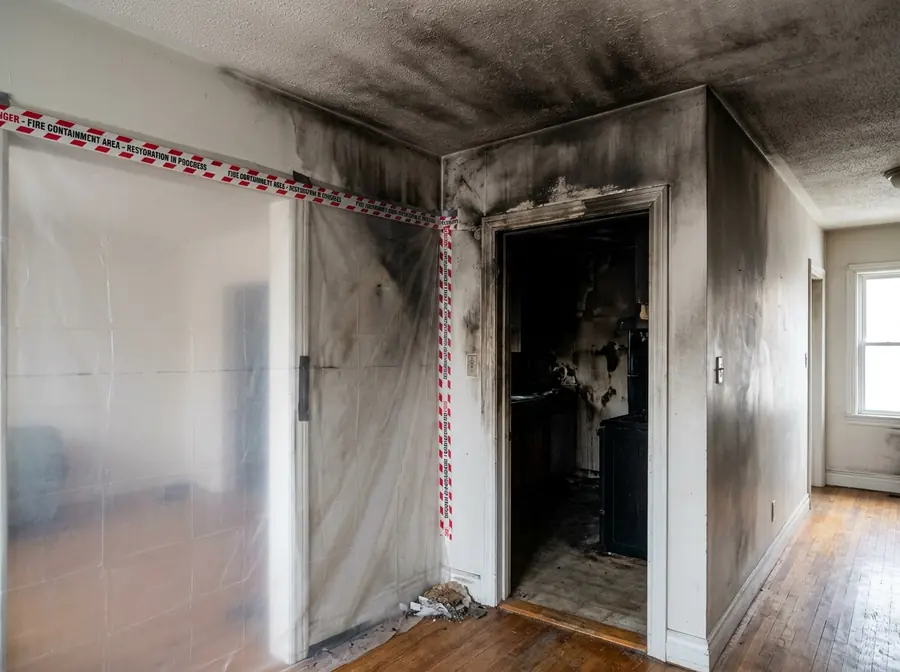
What counts as fire-damaged contents?
Contents include movable items inside a home or business. They may be stored in the room where a fire began or in spaces affected only by smoke and water. Common examples include:
- Clothing, shoes, linens, curtains, and other textiles.
- Sofas, chairs, mattresses, rugs, and wooden furniture.
- Books, photographs, artwork, keepsakes, and paper records.
- Kitchenware, small appliances, household goods, and decorations.
- Computers, televisions, phones, tools, and other electronics.
- Retail inventory, office equipment, files, and business supplies.
Different contents require different decisions. A washable textile may be treated differently from a leather item, a computer, a framed photograph, or a porous mattress. An item may have no visible soot but still carry smoke odor. Conversely, a darkened surface may be cleanable if the material underneath remains sound. Visual appearance alone is not enough to determine whether an item can be restored.
Make safety and documentation the first priorities
Do not enter a fire-damaged building until the fire department or responsible authority has confirmed that entry is allowed. Fire debris, unstable ceilings, damaged floors, exposed wiring, broken glass, hot spots, and contaminated water can create hazards. Follow any restrictions on access and keep children and pets away from affected areas.
Once safe access is authorized, photograph contents before moving them where practical. Take wide photographs that show the room and closer images that identify individual items. Record brand names, model numbers, serial numbers, approximate age, and any known purchase information for important belongings. Keep receipts and correspondence in one place. Your insurer may have specific requirements for inventory and documentation, so ask before discarding damaged property except where immediate safety requires removal.
Do not plug in electronics that may have been exposed to smoke, soot, heat, or water. Do not use food, medicine, cosmetics, or other consumables that may have been contaminated. Avoid shaking soot-covered fabrics or using a household vacuum on heavily affected belongings. Moving contaminated items without protection can spread residue to clean rooms and other possessions.
How professionals decide whether an item can be restored
Contents evaluation considers the material, construction, exposure, contamination, value, condition, and intended use. A technician may note visible soot, odor, heat distortion, water staining, corrosion, mold risk, and packaging damage. The owner may also identify sentimental or business-critical items that deserve specialist review. The decision is not simply whether an item can be made to look clean; safety, function, and realistic restoration results matter.
Items that may be candidates for cleaning
Some hard, nonporous items may be cleanable if heat has not damaged them and residue can be removed safely. Certain furniture, textiles, and household goods may also be candidates for specialized treatment. The method depends on the item and the type of residue. Delicate finishes, dyes, adhesives, and materials can react differently to cleaning agents and moisture.
Items that may require specialist conservation
Artwork, antiques, photographs, important documents, musical instruments, and heirlooms may need a conservator or specialist contents restorer. Improvised cleaning can cause irreversible damage. If an item is rare, fragile, or personally irreplaceable, ask for a specialist assessment before attempting treatment.
Items that may not be salvageable
Items that are charred, melted, structurally weakened, deeply contaminated, or exposed to unsafe substances may need to be discarded. Mattresses, upholstered goods, insulation-filled items, and some porous belongings can be difficult to clean thoroughly when smoke or water has penetrated deeply. A professional can explain the limits and document the condition for the owner and insurer.
Contents cleaning methods vary by material
There is no universal cleaning process for everything inside a fire-damaged building. Depending on the item, professional methods may include controlled particulate removal, specialized vacuuming, surface cleaning, laundering, wet or dry cleaning, deodorization, or referral to a specialist. Some items may be cleaned on-site; others may need to be inventoried, packed, transported, and treated in a suitable facility. The scope should be explained before work begins.
Smoke odor can remain in fabrics, foam, wood joints, paper, and other porous materials even after visible soot is removed. Odor treatment must be matched to the material and contamination. Strong fragrances do not remove the underlying residue, and ozone or other specialized treatments should not be improvised in occupied spaces. Any chemical or equipment treatment must be selected and used by qualified personnel according to applicable safety instructions.
Electronics require special caution. Soot can be conductive or corrosive, and moisture can damage internal components. Do not power on affected devices to see whether they still work. A qualified electronics restoration provider or manufacturer-authorized technician may be needed to assess the equipment. Data recovery may be a separate service from physical cleaning.
Pack-out, inventory, and protecting unaffected belongings
When the building is not suitable for contents cleaning, or when work in the structure could expose belongings to more dust or residue, a controlled pack-out may be considered. Items are identified, photographed, and organized so that the owner can track what has been removed and where it is being handled. The level of inventory detail should reflect the size of the loss and the owner's documentation needs.
Before moving contents, the team should identify items that are fragile, high-value, hazardous, or especially important to the owner. Packaging must be suitable for the item and its condition. Wet items should not be sealed in a way that traps moisture for an extended period. Items contaminated by sewage, chemicals, or other unusual materials may require separate handling and specialist advice.
Unimpacted belongings should be protected from cross-contamination during cleanup. This can involve separating clean and affected areas, controlling movement through the property, and planning the order of work. A careful contents plan can reduce the chance that restored items are exposed again during demolition or soot removal.
Contents restoration for homes and businesses in Haltom City
Residential contents often include clothing, furniture, family photographs, kitchen items, and everyday essentials. Commercial losses may involve stock, office records, computers, tools, furniture, and equipment needed to resume operations. The business may need a prioritized inventory that distinguishes essential operational items from goods that can wait for specialist evaluation.
Home Mold Water Fire Damage serves Haltom City, including the 76117 area, and nearby communities listed on our service areas page. The contents process depends on the property, item types, access, extent of damage, and available specialist services. We do not promise that every item can be restored or that its original appearance can always be recovered.
How contents cleaning fits into the wider restoration project
Contents work should be coordinated with structural cleanup. If soot remains on walls or ceilings, moving clean belongings back too soon can expose them again. If firefighting water has affected the building, wet contents may need prompt attention while structural drying proceeds. If the property needs board-up or reconstruction, storage and access arrangements may need to be considered.
Related services include soot cleanup, smoke odor removal, emergency board-up, and structural drying and dehumidification. Each service addresses a different part of the loss and may be needed depending on the inspection findings.
Frequently asked questions about fire-damaged contents
Can smoke-damaged clothes be cleaned?
Some clothing can be professionally cleaned, but results depend on fabric, dye, odor, soot type, and heat exposure. Do not mix affected clothing with clean laundry before it has been evaluated.
Can photographs and important papers be saved?
Some documents and photographs may be candidates for specialist recovery, but heat, water, soot, and handling can cause permanent damage. Keep them separate and seek a conservator or document-restoration specialist before attempting to clean them.
Should I throw away food after a kitchen or house fire?
Do not consume food or beverages that may have been exposed to heat, smoke, soot, firefighting chemicals, or unsafe storage conditions. Follow guidance from public health authorities and your insurer regarding disposal and documentation.
Can electronics be cleaned after smoke exposure?
Possibly, but do not power them on. Smoke residue and moisture can affect internal components. Have affected electronics assessed by a qualified specialist.
Will contents cleaning remove every smoke smell?
Not every item can be returned to its pre-loss condition. Odor results depend on the material and depth of exposure. Some porous or heavily affected belongings may not be practical to restore.
Does insurance cover contents restoration?
Coverage varies by policy, limits, exclusions, cause of loss, and insurer decision. Keep a detailed inventory and ask the insurer how it wants damaged items documented. Our insurance claims help page offers general information.
Discuss contents cleaning with Home Mold Water Fire Damage
If smoke, soot, heat, or firefighting water has affected belongings in your Haltom City home or business, contact Home Mold Water Fire Damage to discuss the next step. Our team offers 24/7 emergency response and more than 13 years of restoration experience. We can help you understand how contents evaluation fits into the broader fire restoration plan and when a specialist may be needed for a particular item.
Visit our contact page to request assistance, or read more about our complete fire and smoke damage restoration services.