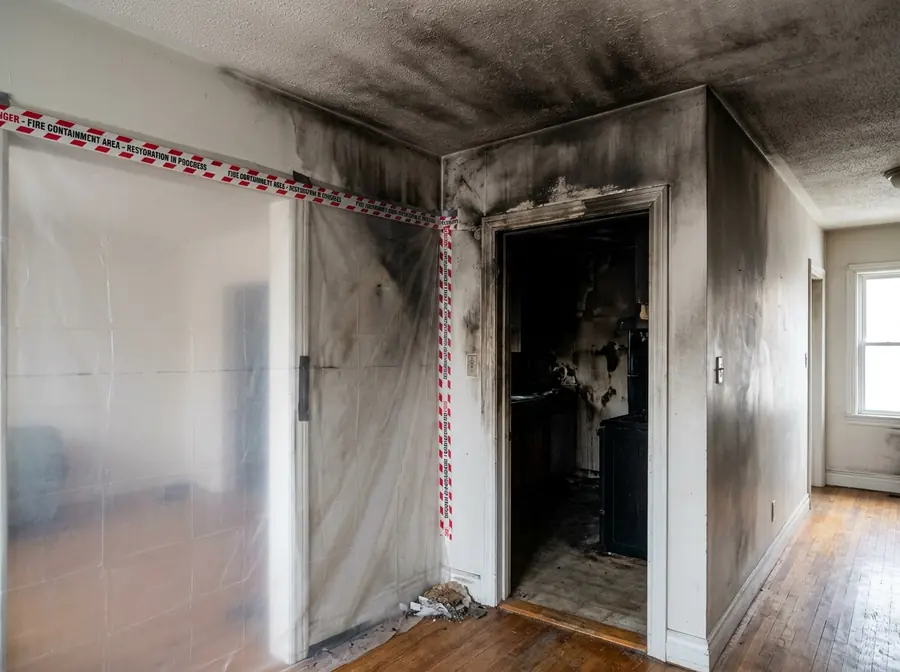
Why fire damage requires more than surface cleaning
Fire losses can involve heat, combustion residues, smoke particles, water, and damage to building systems. These conditions do not affect every material in the same way. A painted wall may hold residue, a plastic item may be heat-distorted, an electronic device may have been exposed to corrosive particles, and a carpet may have absorbed both smoke and suppression water. The visible burn area is not necessarily the full restoration area.
A professional scope should identify the rooms and materials affected, distinguish items that may be cleaned from those that need removal, and determine whether a specialist should inspect a system or item. Cleaning does not certify that a building is structurally sound, that electrical equipment is safe, or that the property is ready for occupancy. Those determinations belong to the relevant authorities and qualified professionals.
What to do after a fire in Benbrook
- Wait for permission to re-enter. Follow instructions from the fire department and other authorities. Do not cross barriers or enter a property that may be structurally unsafe.
- Keep away from utilities and damaged systems. Do not operate electrical panels, gas appliances, HVAC equipment, or damaged plumbing until the appropriate professional says it is safe.
- Protect occupants and pets. Keep people away from soot, debris, damaged contents, and areas affected by firefighting water.
- Record the condition when allowed. Take photographs from a safe location and retain incident information and communications from the authorities.
- Notify your insurer. Ask about claim reporting, emergency mitigation, inspection, and documentation requirements.
- Arrange a restoration assessment. Once access is authorized, discuss the fire, smoke, soot, contents, and water-related conditions with a qualified restoration provider.
Do not sweep dry soot, wipe every surface with a wet cloth, or use a household vacuum on unknown residues. Some soot smears and becomes harder to remove when rubbed. Do not use fragrance products to cover smoke odor or switch on an HVAC system to circulate air through affected spaces. The correct method depends on the residue, material, and exposure.
Smoke movement and soot deposits
Smoke can travel beyond the room of origin
Smoke moves with air currents and can pass through open doors, gaps, stairwells, ceiling spaces, and ventilation pathways. In a house, a fire in one room may leave odor or residue in a hallway or adjoining bedroom. In a multi-unit property, shared corridors and neighbouring spaces may need evaluation. The extent of smoke impact should be assessed rather than assumed from the location of the flames.
Soot behaves differently on different surfaces
Soot is a combustion residue, and its properties depend on what burned and how the fire developed. A dry deposit may respond differently from a sticky or oily film. Cleaning methods that work on a hard nonporous surface may damage wallpaper, fabric, unfinished wood, or painted finishes. A restoration professional should choose a method appropriate to the material and residue.
Heat damage may be hidden
Heat can affect adhesives, plastics, coatings, wiring, insulation, and structural materials. An item that looks intact may still be unsuitable for use. Electrical systems and appliances should be assessed by qualified professionals before they are energized. Structural concerns should be referred to the relevant building official or engineer.
Firefighting water and related moisture damage
Water used to control a fire may remain in rooms, travel through floor assemblies, or affect the space below. The water source and contact conditions determine how it should be handled. Where water has mixed with debris, soot, or other contaminants, do not treat it as ordinary clean water. Keep occupants away and use appropriate professional cleanup procedures.
Once the scene is released and safe access is confirmed, the restoration scope may include extraction, moisture checks, drying, and removal of materials that cannot be restored. Plumbing, electrical, roofing, and structural repairs may need separate licensed trades. Fire and water damage should be considered together without assuming that one cleaning method addresses both.
Benbrook Fire Department and private restoration responsibilities
The City of Benbrook explains that its Fire Department is responsible for protecting life and property from fire and other disasters, and provides emergency medical services, hazardous-materials safety, fire inspections, rescue operations, and emergency management functions. The department's public role includes responding to the emergency and addressing fire safety. Private restoration begins only after the appropriate authorities have permitted access.
A restoration contractor does not investigate the fire's origin, issue an official cause determination, release a scene, or replace fire officials. If the property remains under investigation or access restrictions, wait for instructions. Questions about fire reports or official incident information should be directed through the relevant city process. Any required building permits or inspections for reconstruction should be confirmed with the authority having jurisdiction.
Fire cleanup for Benbrook homes and businesses
Residential fire restoration may involve kitchens, bedrooms, garages, utility rooms, attics, and personal belongings. Homeowners may need to decide what can be cleaned, what should be discarded, whether unaffected rooms need protection, and when the property can be occupied again. These decisions should follow the inspection and official safety requirements, not a quick visual judgment.
Commercial properties may include offices, retail premises, restaurants, workshops, and storage buildings. The response may need to consider inventory, equipment, tenant coordination, customer access, and business continuity. Shared ventilation and common areas can complicate the scope. A restoration contractor can explain its cleanup work, while building systems, fire protection, electrical certification, and reopening approvals may involve other professionals or authorities.
Cleaning contents and building materials
Contents should be sorted based on their material, value, exposure, and restoration potential. Hard nonporous items may be candidates for appropriate cleaning. Porous items such as upholstery, paper, insulation, and some unfinished wood can retain smoke particles or odor. Electronics and specialty equipment may need assessment by a qualified vendor. No item should be declared safe or fully restored solely because visible soot has been removed.
Building surfaces may require different approaches depending on the finish and residue. Some surfaces can be cleaned; others may need sealing or removal after the source of contamination has been addressed. Aggressive scrubbing and untested chemicals can damage finishes. The proposed method should be explained before work proceeds, especially where a surface has historic, decorative, or high-value characteristics.
Smoke odor and ventilation systems
Odor may remain in porous contents, cavities, insulation, and building materials after visible residue is cleaned. Effective treatment starts with identifying and removing or cleaning the source. Deodorization may be one part of a broader plan, but it cannot substitute for removal of heavily affected materials or correction of contaminated air pathways. A provider should not guarantee complete odor elimination before inspecting the property.
Do not run the HVAC system until it has been assessed. Filters, returns, coils, ducts, and equipment may have been exposed to smoke. A qualified HVAC professional can advise whether cleaning, component replacement, or further inspection is appropriate. Coordinating this work helps prevent residues from being moved into areas that were not originally affected.
Insurance and fire-loss records
Contact your insurer promptly and ask what records are needed. Keep photographs, incident details, contents lists, estimates, mitigation records, invoices, and communications. If the insurer wants to inspect damaged belongings, ask how to preserve them safely. Do not delay urgent work needed to protect the property, but document why the work was necessary and what was done.
Coverage depends on policy language, the cause of loss, exclusions, deductibles, limits, endorsements, and the insurer's decision. Fire, smoke, water, debris removal, temporary protection, and contents restoration may be treated differently. Home Mold Water Fire Damage can provide information about observed conditions and work performed, but cannot promise claim approval. See our insurance claims help guide for general preparation tips.
How Home Mold Water Fire Damage approaches a Benbrook fire loss
After access is authorized, we discuss the incident and inspect the areas that can be safely reached. The work plan may separate debris handling, soot removal, surface cleaning, contents decisions, odor-source work, and water mitigation. We explain the limits of the restoration scope and identify when an electrician, HVAC technician, roofer, engineer, or other specialist should be involved.
Our company has more than 13 years of restoration experience, trained technicians, professional equipment, and 24/7 emergency response. Every fire loss is different, so the scope and schedule depend on the condition of the building and the decisions required. We aim to provide clear communication about what has been observed, what is proposed, and what must be confirmed by the responsible authorities or qualified trades.
Frequently asked questions about Benbrook fire restoration
Can a restoration company let me back into a fire-damaged building?
No. Access must be permitted by the authority responsible for the scene and must be safe. A restoration contractor cannot release an official scene.
Can smoke affect rooms where there was no fire?
Yes. Smoke can travel through openings and air pathways. An inspection helps determine which rooms, surfaces, and contents need attention.
Should I wipe soot from my furniture?
Do not wipe unknown soot deposits without knowing the correct method. Some residues smear and can become more difficult to remove.
Does firefighting water need professional drying?
It may. Water can move into flooring, walls, and concealed materials. The source and contamination conditions should be assessed before cleanup.
Will insurance pay for all restoration work?
Not necessarily. The policy and circumstances of the loss determine coverage. Ask your insurer and retain the supporting documentation.
Arrange fire and smoke damage restoration in Benbrook
If a fire has affected your Benbrook property, follow the instructions of emergency personnel and wait for authorized access. Once the site is released, Home Mold Water Fire Damage can discuss smoke, soot, contents, and related water damage restoration. Read our fire and smoke restoration service guide, learn about smoke odor removal, or visit the Benbrook service-area page.
For service questions, use our contact page. For an active fire or immediate danger, call 911.