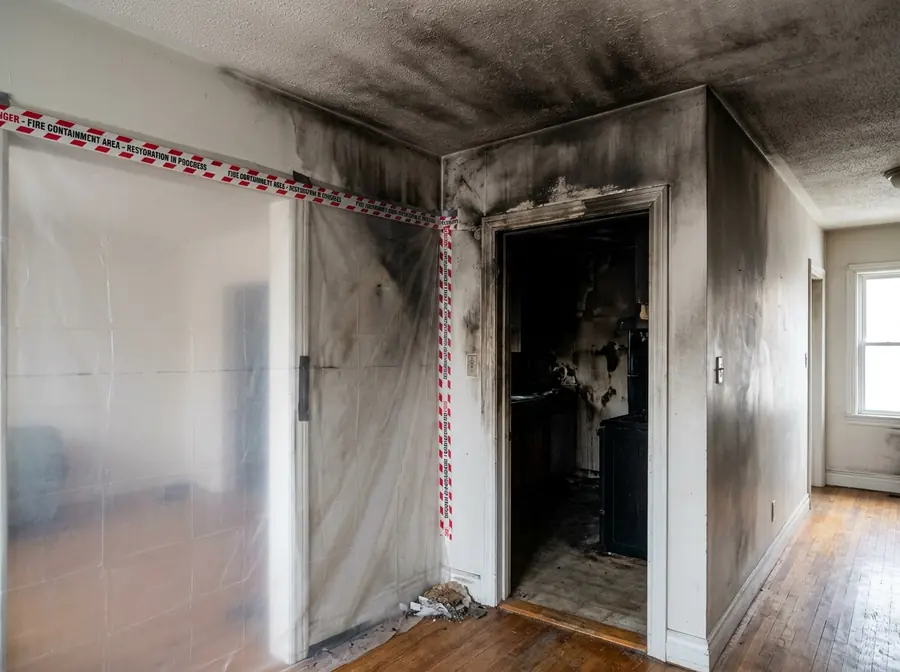
Call 911 and follow the Haslet Fire Department's instructions
If a fire is active, smoke is spreading, or anyone may be in danger, call 911. Do not re-enter a building to retrieve belongings, inspect rooms, open windows, or switch utilities. Fire can weaken floors, stairs, roof framing, and walls. Electrical systems and gas lines may also be damaged, while smoke residues can remain in rooms without visible flames.
The City of Haslet identifies its Fire Department as a regional emergency-services agency serving Haslet and nearby unincorporated areas within its defined 911 response area. The department provides fire and medical emergency response, mutual aid, and fire education and prevention. The city also identifies the Fire Chief as its Emergency Management Manager. These public functions are separate from the private restoration work that may take place after the incident.
Wait for the fire department or appropriate authority to release the property or work area. Do not assume that a building is safe because emergency vehicles have left. Structural, electrical, gas, ventilation, and other concerns may require further review. In a rental, subdivision, or commercial property, coordinate access with the owner or property manager.
For official local information, consult the City's Fire Department page and Emergency Preparedness and Management page. Use 911 for emergencies and follow instructions from responders at the scene.
Understand the different parts of fire damage
Flame and heat damage
Flames can char or consume framing, cabinets, doors, flooring, insulation, roofing, and contents. Heat can affect nearby materials that were not directly burned, including finishes, adhesives, wiring, and concealed components. A surface that looks intact is not proof that the material is safe or structurally sound. Do not enter damaged areas or test building systems yourself.
Smoke migration
Smoke can move through open doors, hallways, stairs, ceiling voids, and ventilation pathways. The extent depends on the fire, building layout, air movement, and materials involved. A room with no visible burn marks may still contain smoke residue or odor. Running HVAC equipment or portable fans before the system has been evaluated can spread particles into other areas.
Soot and residue
Soot varies with the materials that burned and the conditions of combustion. Dry wiping with a household cloth can smear residue or push it into porous surfaces. Ordinary cleaners may damage finishes or be unsuitable for the residue. Different materials—including painted drywall, fabrics, electronics, natural stone, metal, and wood—may require different methods or specialist handling.
Water from suppression
Fire suppression can introduce water into rooms and building assemblies. Wet carpets, drywall, insulation, cabinets, flooring, and contents may require extraction, moisture checks, drying, or removal. Water may mix with debris and residue, so the work plan should consider the actual condition. Fire restoration and water restoration often overlap, but the scope should identify each separately.
What property owners should do once access is allowed
- Respect access restrictions. Enter only when the relevant authority has permitted access and follow any conditions.
- Keep people away from hazards. Avoid damaged ceilings, unstable floors, exposed wiring, sharp debris, and heavy residue.
- Do not start broad cleaning. Avoid dry brushing soot, using household chemicals, or operating fans and HVAC equipment before their condition is considered.
- Document the condition safely. Photograph affected areas and make a contents list once access is permitted. Do not delay safety actions to take pictures.
- Notify the property owner or manager. Tenants and employees should use the established reporting process.
- Contact the insurer as required. Ask what records and estimates are needed and retain copies of communications.
- Arrange a restoration assessment. Explain where the fire began, which rooms show smoke or soot, and whether suppression water entered the property.
If there is a gas odor, electrical damage, or structural instability, keep away and contact the appropriate emergency service or utility. Do not restore power or operate appliances until qualified personnel have evaluated the systems.
How fire and smoke restoration may proceed
Site review and work planning
After access is authorized, the restoration team can review the property layout, visible damage, smoke migration, soot, contents, and water intrusion. The review should identify areas that remain restricted and any need for a structural professional, electrician, plumber, roofer, or other qualified trade. The written scope should distinguish direct fire damage, smoke impact, suppression-water damage, and reconstruction.
Temporary protection
Damaged doors, windows, or roof openings may need temporary protection to reduce weather exposure or unauthorized entry. Board-up and temporary covering should be suitable for the building and any official restrictions. Do not conceal an unresolved hazard or interfere with an investigation. The owner or manager should approve the work and access arrangements.
Contents inventory and handling
Contents may be reviewed for possible cleaning, specialist evaluation, or disposal. Soft goods can absorb smoke, electronics may require inspection, and food or temperature-sensitive items may need special handling. Photograph and list items when it is safe and practical. Do not discard important belongings before documenting them and checking insurer instructions.
Debris and soot cleanup
Cleaning methods should match the residue and surface. Some materials may be cleaned with controlled vacuuming or other appropriate techniques; others may need removal. Aggressive scrubbing and ordinary household sprays can smear residue or damage finishes. The contractor should explain which surfaces and contents are included in the scope.
Odor treatment
Smoke odor can remain in porous materials, concealed spaces, and contents after visible residue is removed. Odor treatment should follow source removal and appropriate cleaning rather than simply mask the smell. The correct method depends on the materials and occupancy conditions. No one should guarantee complete odor removal in a fixed timeframe without understanding the full scope.
Water extraction and drying
Where suppression water has entered the property, the work may include extraction, moisture checks, drying equipment, and monitoring. Different materials respond differently, and some may need controlled removal. A plumber or other qualified trade may be needed if a water system or fixture was damaged during the incident.
Repairs and reconstruction
Repairs may include framing, drywall, insulation, flooring, paint, cabinetry, roofing, doors, and electrical components. Some activities require specialist trades, local permits, or inspections. Clarify which work is included in the restoration scope and which approvals or contracts are separate.
Fire restoration for Haslet homes and businesses
A residential fire may begin in a kitchen, garage, utility space, or another room. Smoke can move into bedrooms and living spaces, while suppression water may affect lower floors or adjacent rooms. The restoration plan should consider the full path of smoke and water rather than assume that only the visible burn area needs attention.
In a rental or multi-family property, smoke may affect shared corridors, adjoining units, or common mechanical spaces. Property managers may need to coordinate access, occupant notices, building-system checks, and temporary relocation. Residents should follow management and public safety instructions and should not enter another unit or clean shared areas without permission.
Commercial and industrial premises may contain inventory, computers, machinery, documents, customer spaces, and specialized ventilation. A fire can disrupt operations even if the affected room is limited. A facility manager should identify critical assets, access restrictions, security needs, and any operations that can continue safely outside the work area. Reopening depends on building safety and any required official approvals.
Insurance records and restoration estimates
Fire restoration costs depend on the extent of direct damage, smoke migration, residue type, contents, suppression water, temporary protection, access, and repairs. A small isolated incident is different from a loss involving several rooms, roof damage, or commercial inventory. A written scope should identify what will be cleaned, removed, protected, dried, and repaired, and should distinguish mitigation from reconstruction.
Insurance coverage depends on policy wording, cause, exclusions, limits, endorsements, and the insurer's decision. Keep incident details, photographs, contents inventories, estimates, reports, receipts, and communications. Do not assume that every item or temporary expense is covered. Ask the insurer what documentation is required and follow the policy's notice requirements.
Home Mold Water Fire Damage can explain the proposed restoration work but cannot guarantee claim approval or coverage. Review our insurance claims help guide for general documentation information. The insurer makes the coverage decision.
Haslet emergency preparedness and local responsibilities
Haslet's Emergency Preparedness and Management information encourages residents to understand hazards, prepare a family communication plan, know about local alerts, and consider protective actions such as sheltering or evacuation. The city identifies natural hazards and severe-weather conditions among the topics addressed by emergency management. Those public resources support community readiness; they do not replace 911 during an active fire or the instructions of responders at an incident.
The Fire Department's regional response area and mutual-aid role are public safety functions. A restoration contractor's work begins only after appropriate access is allowed. The contractor should coordinate with the property owner or manager and involve qualified specialists when the repair requires structural, electrical, roofing, plumbing, or other regulated work.
For broader service information, read the Haslet service-area page and the fire and smoke damage restoration hub.
Frequently asked questions about fire restoration in Haslet
Can I enter the building after the fire department leaves?
Only when the fire department or appropriate authority has released the property or relevant work area. Do not assume that the building is safe based on the departure of emergency vehicles.
Can smoke damage rooms without visible flames?
Yes. Smoke can travel through openings and building pathways, so adjoining rooms and ventilation systems may need evaluation.
Should I clean soot with a household spray?
Do not begin broad cleaning before the residue and surface are understood. Household sprays may smear residue or damage materials.
Can firefighting water require drying?
Yes. Suppression water may affect floors, drywall, insulation, and contents. The scope depends on the water and materials involved.
Can a restoration contractor approve reoccupancy?
No. Reoccupancy depends on the relevant authority, building safety, utilities, inspections, and other applicable requirements.
Discuss fire and smoke restoration in Haslet
If a fire has affected your Haslet home, rental, or business, follow emergency instructions and wait for authorized access. Once the property is released, describe the affected rooms, building use, smoke migration, contents concerns, and any water damage. Home Mold Water Fire Damage brings more than 13 years of restoration experience, trained technicians, professional equipment, and 24/7 emergency response. We can discuss cleanup, drying, odor-treatment planning, and the specialist trades that may be required. Confirm availability for the exact property address before arranging service.
Read our Haslet service-area guide, the fire and smoke restoration hub, and smoke odor removal information. For service questions, visit Contact Home Mold Water Fire Damage.