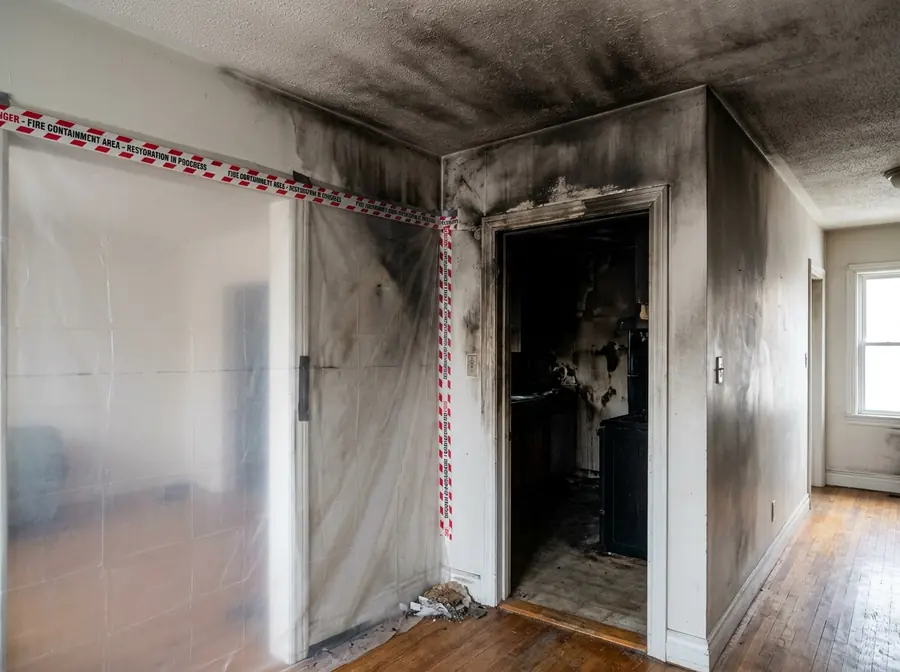
Understanding fire, smoke, soot, and suppression-water damage
Fire damage is not limited to charred surfaces. Heat can affect plastics, wiring, finishes, insulation, and structural materials. Smoke can move through openings and ventilation pathways. Soot may deposit on surfaces far from the fire room, and the residues can behave differently depending on what burned and how the fire developed. Water used by emergency crews may create a separate moisture issue in floors, walls, and spaces below.
Each category needs to be considered separately. A wall with soot may require a different cleaning method from a wall with heat damage. A water-soaked floor may need extraction and drying, while an electrical panel exposed to heat or water requires qualified electrical evaluation. A restoration contractor should explain the limits of its work and identify when another specialist is needed.
What to do after a fire in Watauga
- Follow emergency personnel instructions. Do not re-enter until the authority responsible for the scene has permitted access and the building is considered safe.
- Stay away from damaged utilities. Do not operate electrical equipment, gas appliances, HVAC systems, or damaged plumbing until they have been assessed by the appropriate professional.
- Keep occupants away from residues. Soot, ash, debris, and damaged contents should not be handled casually. Keep children and pets away from affected areas.
- Document the incident when allowed. Take photographs from a safe position and retain any incident details or instructions provided by authorities.
- Contact your insurer. Ask how to report the loss, what inspections are needed, and which emergency mitigation steps require documentation.
- Arrange restoration after clearance. Once access is authorized, a qualified restoration team can inspect the affected areas and discuss cleanup priorities.
Do not sweep dry soot, rub unknown residues, or use an ordinary household vacuum on contaminated debris. Some soot smears when wiped and can become harder to remove. Do not use fragrance sprays to mask smoke odor or run the HVAC system to circulate air through affected areas. Cleaning methods should be selected after the residue and material are understood.
Smoke migration beyond the fire room
Smoke moves with air currents and pressure differences. It can pass through open doors, stairwells, gaps around penetrations, ceiling cavities, and ventilation pathways. A fire in a kitchen may leave smoke residue in a hallway, living area, or bedroom. In a commercial building, smoke may affect offices, storage areas, and shared corridors. The room where flames were visible is not necessarily the only room that needs inspection.
Odor can remain even when a surface looks clean. Porous materials such as upholstery, carpet, insulation, and some unfinished wood may hold smoke particles. A professional assessment should consider the contents and building materials, not only the walls nearest the fire.
Soot and heat damage need material-specific decisions
Soot is a combustion residue, and its properties vary with the fuel and fire conditions. A dry deposit may be handled differently from a sticky or oily film. A cleaning method suitable for tile may damage wallpaper, painted drywall, fabric, or unfinished wood. Avoid aggressive scrubbing and untested cleaning products. A professional may test a small area or choose a controlled method based on the surface and residue.
Heat can also damage materials that show little visible charring. Plastics may deform, adhesives may fail, insulation may be affected, and electrical components may be compromised. Items should not be returned to service simply because they appear clean. Appliances, wiring, HVAC systems, and structural components may need evaluation by qualified trades or building professionals.
Firefighting water and moisture mitigation
Water used to extinguish a fire may collect on floors, soak carpet and padding, move into wall cavities, or affect the rooms below. The water source and contact conditions determine how it should be handled. Water mixed with debris or contaminants should not be treated as ordinary clean water. Keep people away from affected areas until the condition has been assessed.
After authorized access, restoration may involve extraction, moisture checks, drying, and removal of materials that cannot be restored. Plumbing, electrical, roof, and structural repairs may require separate licensed professionals. The fire and water scopes should be coordinated so that one type of cleanup does not overlook the other.
Watauga Fire Marshal and public-safety responsibilities
The City of Watauga's Fire Marshal conducts fire-prevention inspections for commercial properties and addresses fire-code compliance and investigations into fire origin and cause. Those are public fire-safety functions. A private restoration company does not replace the Fire Marshal, determine an official cause, issue a scene release, or authorize a building to be occupied.
If the property is restricted, under investigation, or awaiting an inspection, follow the city's and emergency personnel's instructions. Reconstruction may also involve permits and inspections depending on the work. The property owner or project manager should confirm the requirements that apply to the specific building and scope.
Fire cleanup for Watauga homes and businesses
Residential losses may affect kitchens, bedrooms, garages, utility rooms, attics, and personal belongings. Families may need to decide which contents can be cleaned, which materials should be removed, and how to protect rooms that were not directly affected. These choices should be based on the inspection and the condition of the building, not on a quick look at the burn area.
Commercial projects may involve offices, shops, restaurants, storage rooms, and service businesses. The work may need to consider inventory, computers, equipment, tenant communication, and access for staff or customers. Shared ventilation or adjoining suites can make the scope more complex. Fire protection systems, electrical repairs, HVAC work, and reopening decisions may require other professionals or public approvals.
Contents cleaning and odor-source treatment
Contents should be sorted according to material, value, exposure, and the likelihood of successful restoration. Hard nonporous items may be suitable for cleaning with an appropriate method. Porous belongings can retain residue and odor, and electronics or specialty equipment may need evaluation by a qualified vendor. A clean-looking item is not automatically safe or functional.
Odor treatment should begin by identifying and addressing the source. Cleaning affected surfaces and contents, removing heavily affected materials, and addressing ventilation pathways may be necessary before specialized deodorization is considered. No responsible contractor can promise complete odor removal before inspecting the building and the affected materials.
HVAC and building-system considerations
Do not operate an HVAC system simply to see whether the smoke smell clears. Filters, coils, ductwork, returns, and equipment may have been exposed. A qualified HVAC professional can determine whether cleaning, component replacement, or further inspection is appropriate. This work should be coordinated with the restoration plan to avoid moving residues into rooms that were not originally affected.
Electrical systems, gas appliances, fire alarms, sprinklers, and structural components also need the appropriate specialist when affected. Restoration cleaning is not a substitute for inspection, testing, repair, or certification by a qualified trade or authority.
Insurance and fire-loss documentation
Notify your insurer promptly and ask what records and approvals are required. Keep photographs, incident information, a list of damaged contents, estimates, mitigation records, invoices, and communications. If the insurer needs to inspect an item, ask how it should be retained safely. Do not delay urgent steps needed to protect the building, but document why the work was necessary.
Coverage depends on the policy wording, cause of loss, exclusions, deductibles, limits, endorsements, and the insurer's decision. Fire, smoke, water, debris removal, temporary protection, and contents work may be considered under different provisions. Home Mold Water Fire Damage can describe observed conditions and work performed, but cannot guarantee claim approval. See our insurance claims help guide for general documentation suggestions.
How Home Mold Water Fire Damage approaches a Watauga fire loss
After authorized access is confirmed, we discuss the incident and inspect areas that can be reached safely. The proposed scope may separate debris handling, soot cleaning, contents decisions, odor-source work, and water mitigation. We explain which activities are within the restoration scope and when an electrician, HVAC technician, roofer, engineer, or other specialist needs to be involved.
Our company has more than 13 years of restoration experience, trained technicians, professional equipment, and 24/7 emergency response. Each fire loss is different, so the scope and timing depend on the building, materials, and required approvals. We aim to communicate clearly about observed conditions, proposed work, and decisions that remain with authorities or qualified trades.
Frequently asked questions about Watauga fire restoration
Can a restoration company release my home after a fire?
No. The authority responsible for the scene determines when access is permitted. A contractor cannot override an official restriction or certify structural safety outside its scope.
Can smoke affect rooms far from the fire?
Yes. Smoke can move through openings and air pathways. An inspection helps identify affected rooms and contents.
Should I wipe soot from furniture?
Do not wipe unknown soot deposits without knowing the correct method. Some residues smear and can become harder to remove.
Does firefighting water require drying?
It may. Water can affect floors, walls, and concealed materials. The source and possible contamination should be assessed.
Will insurance cover the cleanup?
That depends on your policy and the circumstances of the loss. Ask your insurer and retain the project records.
Arrange fire and smoke damage restoration in Watauga
If your Watauga property has experienced a fire, follow official instructions and wait for authorized access. Once the scene is released, Home Mold Water Fire Damage can discuss soot, smoke, contents, odor, and related water damage restoration. Read our fire and smoke restoration service guide, learn about smoke odor removal, or visit the Watauga service-area page.
For service questions, use our contact page. For an active fire or immediate danger, call 911.