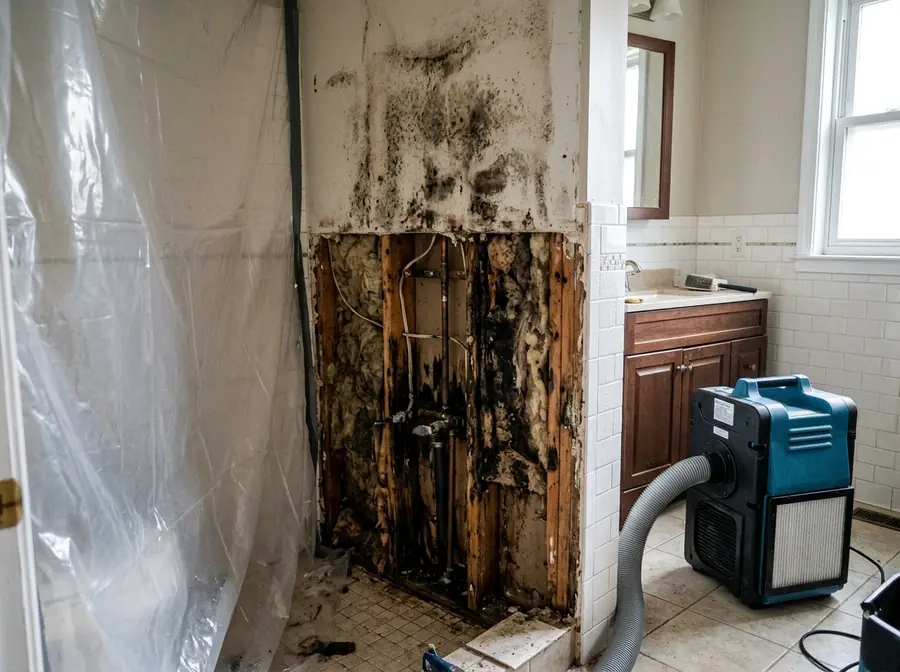
What mold removal means for a River Oaks property
Mold is naturally present in the environment. Spores can enter a building through ordinary air movement, open doors and windows, clothing, and dust. Indoor growth becomes a concern when moisture and suitable material remain available. Drywall paper, wood, dust, some insulation, furnishings, and other materials can support growth when conditions stay damp. The presence of spores alone is not the same as an indoor growth problem, and a dark mark is not automatically mold; stains can have other causes.
When growth is confirmed or suspected, remediation is more than wiping the surface. A responsible plan considers the moisture source, the extent of affected materials, whether the space is occupied, how debris and dust can be contained, and what materials may be cleaned or removed. The method should be tailored to the project. A small area of growth around a sink cabinet differs from contamination behind a wall, across a ceiling, in a crawlspace, or within a mechanical system.
For River Oaks property owners, the important distinction is that a restoration conversation should not replace an independent assessment where required. The assessment and remediation roles may need to be performed by separate licensed parties under Texas rules. Ask who is responsible for each role and confirm the applicable license before work begins.
Neighborhood and property context in River Oaks
The service-area information identifies River Oaks North, River Oaks South, Brookside, Churchill Gardens, Westside Acres, and Shady Oaks. These names help residents describe where a property is located when arranging a visit, but they do not establish that a particular neighborhood has mold, moisture, or building defects. Moisture conditions are property-specific and can be influenced by plumbing, roof maintenance, drainage, ventilation, building materials, and the history of repairs.
River Oaks is part of the wider Fort Worth area and shares ZIP code 76114 with portions of the surrounding local service geography. A property's street, access route, building type, and exact affected rooms are more useful for planning than a neighborhood label alone. A home may have moisture around a bathroom fixture while a commercial unit may have a roof or mechanical-system issue. Neither should be assigned a diagnosis based only on its location.
If you are contacting a restoration provider, describe the property type, where the visible growth or musty odor is noticed, whether water intrusion has occurred, and whether the area is accessible. If you are in a rental, apartment, or managed commercial property, notify the responsible owner or property manager and clarify who can authorize inspection and work. This helps avoid delays or work being performed without the appropriate approval.
Common moisture sources that can lead to mold
Plumbing leaks. A slow leak under a sink, behind a shower wall, around a toilet supply, or at a pipe connection can wet materials repeatedly. Cabinet interiors may hide damage, and a small leak may not create a large puddle. If the source is plumbing, have a qualified plumber repair it; mold cleanup does not fix the leak itself.
Roof or exterior openings. Damaged flashing, roof penetrations, loose materials, window seal failures, or wind-driven rain can allow water into walls or ceilings. Staining may appear away from the actual entry point because water follows framing and other pathways. Roofing and exterior repairs may require a separate contractor and any applicable permits.
Bathroom and kitchen humidity. Steam from showers, cooking, or laundry may contribute to condensation if ventilation is insufficient or surfaces stay cool. Routine housekeeping may help with minor condensation, but recurring dampness, leaks, or growth across building materials warrants investigating the underlying condition rather than repeatedly cleaning the same spot.
Air-conditioning condensation. Condensate drains, pans, coils, and nearby insulation can become moisture sources when equipment is obstructed, damaged, or not operating as intended. HVAC components should be assessed by a qualified HVAC professional when the issue involves the system itself.
Previous water damage. Materials that were not dried adequately after an earlier leak may retain moisture. A past repair or repainting does not prove that the cavity behind the finish is dry. If odor, staining, or dampness returns, a targeted inspection may help identify whether moisture remains or a new source has developed.
Warning signs worth investigating
Visible growth is one possible sign, but there may be other clues. A persistent musty odor, recurring discoloration, peeling paint, bubbling finish, soft drywall, warped trim, damp carpet, or condensation that does not clear can indicate a moisture issue. None of these signs alone confirms mold or identifies its extent. They should be considered alongside the property's leak history and the conditions in the affected area.
Look for patterns rather than attempting to diagnose. Does the smell become stronger after the air-conditioning runs? Does a stain appear after rain? Is a cabinet damp near a supply line? Has a bathroom wall remained wet after a fixture leak? These observations can help a qualified professional understand what to investigate. Avoid cutting open walls, pulling up flooring, or moving suspected contaminated material just to see what is behind it.
People who are concerned about indoor environmental conditions should avoid disturbing suspected mold and consult an appropriate professional for their situation. This article is general property information and is not medical advice. If occupants have health concerns, they should speak with a qualified healthcare professional.
What to do before a mold inspection or remediation visit
- Address immediate hazards. If the area is wet and electrical equipment, outlets, wiring, or appliances may be affected, stay out and seek qualified help. Do not enter standing water where electricity could be present.
- Stop or arrange repair of the moisture source. Shut off a water supply only if the shutoff can be reached safely. Contact a plumber, roofer, HVAC technician, or other qualified trade as needed.
- Keep the area undisturbed. Avoid dry brushing, sanding, scraping, or cutting suspected growth. Do not run fans that may spread dust or debris from the affected area into occupied rooms.
- Reduce access. Keep children, pets, and people who do not need to be there away from the affected area. Do not move contaminated items through clean rooms without guidance.
- Document observations. If safe, take a few photographs, note when the odor or staining appeared, and record any known leaks or repairs. Do not delay urgent safety measures for photos.
- Ask about roles and scope. Clarify whether an independent mold assessment is needed, who will perform it, who will carry out remediation, what materials are included, and how the moisture source will be corrected.
Do not mix cleaning chemicals. In particular, never combine bleach with ammonia, acids, or other products. Avoid using household sprays as a substitute for a project-specific remediation plan, especially when growth is extensive, concealed, or associated with contaminated water.
Assessment and remediation are different regulated roles in Texas
Texas has licensing requirements for mold assessment and mold remediation. A mold assessment consultant evaluates the conditions and, when required, prepares an appropriate remediation protocol. Mold remediation is the work of removing or cleaning affected materials and controlling the project conditions according to applicable rules and the project scope. These are not interchangeable terms, and the regulatory framework includes independence requirements for the parties involved in assessment and remediation on the same project.
Do not rely on a marketing statement alone to confirm qualifications. Before proceeding, ask who is assessing the mold, who is preparing any protocol, who is performing remediation, and which license applies to each activity. Verify the credentials with the Texas Department of Licensing and Regulation (TDLR). Some situations may fall under specific exceptions, so the requirements should be confirmed for the particular project rather than generalized.
For authoritative information, review the TDLR mold licensing FAQs and laws and rules, along with the Texas Attorney General's consumer guidance. A restoration company can explain the work it proposes to perform, but it should not substitute its own service description for required independent assessment or represent that a single credential covers every role.
How a mold remediation scope may be organized
Once the appropriate assessment and protocol are in place where required, the remediation scope may identify the affected areas, materials, containment needs, work practices, cleaning or removal methods, and project controls. The plan should be understandable to the property owner. It should identify what is included and what is outside the scope, such as plumbing repair, roofing, HVAC repair, structural work, reconstruction, or separate assessment services.
Containment and protecting unaffected rooms
Containment is intended to limit the movement of dust or debris from the work area. The details depend on the size and location of the affected materials, the building layout, occupancy, and the applicable protocol. Work areas may need controlled access, and occupants should follow the project's instructions about entry and movement. Containment is not a reason to assume that every adjacent room is unaffected; the scope should explain what has been evaluated.
Cleaning or removing affected materials
Some nonporous or suitable materials may be cleaned using methods selected for the surface and condition. Porous materials with contamination or damage may need removal when cleaning cannot reasonably restore them. Decisions about drywall, insulation, flooring, trim, cabinetry, or contents depend on extent, material properties, and the remediation protocol. Do not assume that all material can be saved or that everything must be removed.
Moisture control and monitoring
Remediation is not complete in a practical sense if the moisture source remains unresolved. A project may involve drying, moisture checks, and coordination with the responsible trade to repair the leak or condensation problem. Drying methods and monitoring locations should be based on the affected assembly and the conditions observed. A surface reading alone may not describe a concealed cavity.
Cleaning, review, and next steps
The final scope may include cleaning within the work area, removal of project debris, and a review of the completed remediation. Where an independent assessment or post-remediation verification is required or specified, clarify who will perform it and what documentation will be provided. Rebuilding or finishing the space should follow the appropriate review and be coordinated with qualified trades.
Residential, rental, and commercial mold concerns
In a single-family home, the concern may be a bathroom wall, laundry area, kitchen cabinet, closet, attic, or flooring affected by a leak. Residents should identify the issue and avoid disturbing materials. If the home is rented, contact the landlord or property manager promptly, keep written records of the notification, and ask how inspection and repair will be arranged. Work authorization and access should be agreed upon before contractors begin.
Apartment and multi-unit properties can have shared plumbing, roof assemblies, HVAC equipment, and neighboring units. A moisture problem in one unit may require coordination with management or other trades to determine the source. Keep the affected area accessible only as authorized, and ask how adjoining spaces will be evaluated if the leak path is not obvious.
Commercial property managers may need to consider tenant schedules, inventory, staff access, customers, storage, and business operations. A mold concern in a back office is different from one in a food preparation area, mechanical room, or shared corridor. The scope should define restricted zones, who will communicate with occupants, and whether any specialized compliance requirements apply to the facility. Restoration planning should not make unsupported claims about business reopening or health outcomes.
Cost, insurance, and documentation
Mold remediation costs vary according to the amount and type of material affected, whether growth is concealed, access and containment requirements, contents handling, drying needs, and the complexity of the source repair. An inspection and written scope are more useful than a broad price estimate based on a photo or neighborhood. Ask whether assessment, protocol preparation, remediation, disposal, repairs, and reconstruction are separate items in the estimate.
If the mold followed a water loss, review your insurance policy and ask your insurer how to report the event and document the damage. Coverage depends on policy wording, the cause of loss, exclusions, limits, endorsements, and the insurer's determination. Mold-related coverage may be treated differently from the original water event. Keep photographs, invoices, communications, and work authorizations. Do not assume a contractor can guarantee claim approval or payment.
Frequently asked questions about River Oaks mold removal
Can I clean a small patch myself?
It depends on the material, size, location, and source of moisture. This page is not a DIY remediation guide. Avoid disturbing extensive growth, concealed materials, or areas associated with contaminated water. If you are uncertain, seek appropriate professional guidance.
Does mold always mean there is a plumbing leak?
No. Moisture may come from roof or exterior leaks, condensation, ventilation issues, HVAC components, or a previous water event. The source should be investigated instead of assumed.
Do I need an assessment before remediation?
Texas requirements depend on the project and the applicable rules. Ask whether a licensed mold assessment consultant is required, who will perform that role, and whether remediation must follow a written protocol. Verify the credentials and independence requirements.
Will remediation remove every mold spore?
Mold spores are part of the normal environment. A remediation project addresses the affected materials and conditions according to its scope; it cannot responsibly promise a building will contain zero spores or that mold will never return.
Can the company repair the leak and remediate mold?
The work may involve multiple trades and regulatory roles. Plumbing, roofing, HVAC, structural repairs, and regulated mold assessment may require separate qualified professionals. Confirm the scope and who is authorized to perform each task.
Do you serve all River Oaks neighborhoods?
River Oaks North, River Oaks South, Brookside, Churchill Gardens, Westside Acres, and Shady Oaks are listed in the service-area information. Call to confirm current availability for your exact property and project.
Arrange mold removal and remediation service in River Oaks
If you have a musty odor, visible growth, recurring moisture, or mold concerns after a leak in River Oaks, explain what you have observed and whether the source has been corrected. Home Mold Water Fire Damage offers 24/7 emergency response for restoration situations, trained technicians, professional equipment, and more than 13 years of experience. We can discuss the service category, current availability, and how the appropriate assessment and remediation roles should be arranged for your project.
For a broader overview, visit the River Oaks restoration services page, the mold removal and remediation hub, or our contact page. If water damage or fire damage is also involved, read our River Oaks guides to water damage restoration and fire and smoke damage restoration. Service availability and the work scope should always be confirmed for the property address.